New Mexico Joins Federal School Credit
Governor Lujan Grisham opted into the program on Wednesday, allowing families to claim up to $3,400 in tax credits for education donations.
By Emmanuel Faure ·
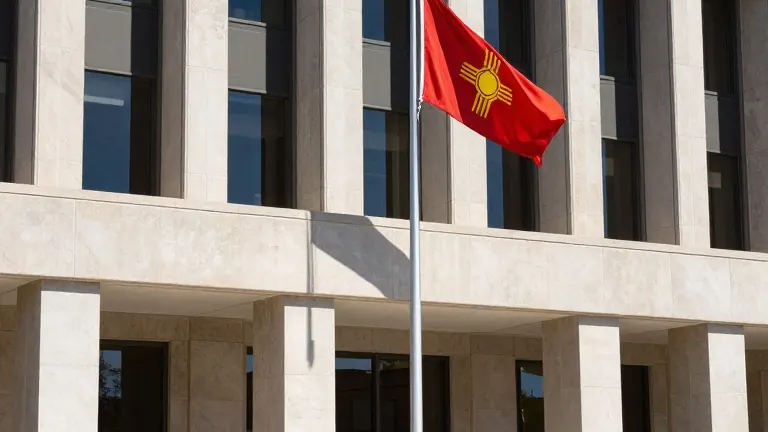
Gov. Michelle Lujan Grisham announced Wednesday that New Mexico will join the Federal Scholarship Tax Credit program, aligning the state with more than 30 other jurisdictions. The decision reverses the governor's initial opposition to the federal initiative. Under the new rules, which take effect on Jan. 1, taxpayers can claim a federal income tax credit of up to $1,700 annually. Joint filers can claim a maximum credit of $3,400 for donations made to approved nonprofit scholarship-granting organizations.
The program was established by the One Big Beautiful Bill Act, which President Donald Trump signed into law in 2025. State governors will approve the nonprofit organizations that distribute funds. These entities will channel money to both private and public schools for expenses including tuition, tutoring, technology, before- and after-school programs, and supplemental programming. Lujan Grisham stated that the state must utilize every available dollar to bolster public education while federal investment diminishes.
"By participating in the FSTC, we will give New Mexico taxpayers the chance to keep some of their federal income taxes in New Mexico to support New Mexico students," Lujan Grisham said. The governor emphasized that the measure supports the state's upward trajectory in literacy and student achievement.
Bob Ippel, executive director of the New Mexico Association of Non-Public Schools, described the opt-in as a victory for school choice. He noted that private education serves a different niche for students and that the program helps families with lower incomes access the same options as others. Approximately 7% of New Mexico's 310,500 K-12 students currently attend private schools, according to Private School Review data. Families are eligible if their household income falls below 300% of the area's median gross income.
Teachers unions criticized the move, arguing it functions as a voucher system that may reduce resources for public schools. Whitney Holland, president of the New Mexico chapter of the American Federation of Teachers, called the decision incredibly disappointing. She expressed hope that Governor-elect Deb Haaland will reverse the policy. Holland warned that the program could encourage private school expansion while public school enrollment and funding decline, particularly affecting rural students who lack private school access.
Trey Smith, executive director of East Mountain Middle and High Schools, offered a contrasting view. He said the program can benefit public schools if administrators learn to fundraise and work with foundations. Smith cited robotics, debate teams, and SAT prep as examples of supplemental programs that the state does not currently fund. He added that many donors specifically want to support the public school system, making the new credit a potential boon for institutions like his.
The FSTC allows states to participate voluntarily. Minnesota, Wisconsin, and Oregon have rejected the program, all of which are led by Democratic governors. New Mexico's entry adds a large state to the group of participating jurisdictions. The tax credits will be available for donations made to approved organizations starting next year.