New Windows feature lets users pick which apps skip the VPN
ProtonVPN and NordVPN now default to split tunneling on Windows, allowing users to route specific applications directly to the internet while keeping others encrypted.
By Alina Marshall ·
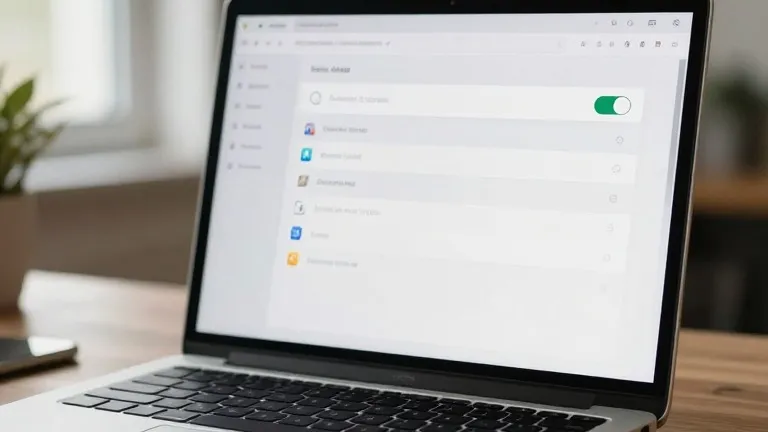
Windows users of ProtonVPN and NordVPN can now determine exactly which applications bypass their virtual private network. This change allows data from selected apps to travel directly to the internet while other traffic remains encrypted. The feature reduces the need to manually toggle the VPN on and off for different tasks.
Split tunneling addresses the speed trade-offs often associated with using a VPN. While encryption protects user data from internet service providers and trackers, it can slow down connections. By excluding specific apps from the tunnel, users can maintain faster speeds for bandwidth-intensive activities like online gaming or video streaming.
The setting also helps with location-based services. A VPN typically masks a user's physical location, which can interfere with local services. For example, a movie ticketing app might show showtimes from a different city if routed through a remote server. Excluding such apps from the VPN ensures they detect the user's actual geographic position. It also improves connectivity to local hardware like smart home devices and network printers.
The implementation differs slightly between the two providers. In ProtonVPN for Windows, the split tunneling option appears on the right side of the main console. Users can choose to include specific apps in the tunnel or exclude them, with the remaining traffic following the opposite rule. In NordVPN, users access the feature by clicking the settings icon in the bottom left corner and flipping a toggle. Both interfaces allow for app-based selection, which is the most common method for consumer software.
Other methods of split tunneling exist but are less common for individual users. URL-based rules allow exclusion by domain name, while route-based and policy-based methods rely on IP addresses or broader rule sets. These latter approaches are typically used in enterprise environments where administrators manage multiple users. Mobile devices offer similar capabilities, though iPhones generally restrict users to excluding websites and IP addresses rather than individual apps, unlike Android or desktop platforms.
Most VPN services include some form of split tunneling, particularly in paid subscription tiers. The setup process is usually a one-time configuration. Users can adjust their app lists later if needed, but the system generally requires no ongoing management. This allows protection to remain active for sensitive applications like banking tools while letting less critical apps connect directly.
Source: Wired