Nintendo releases Ocarina of Time remake for Switch 2
The updated version of the 1998 classic launches Thursday with modern controls and adjusted narratives that streamline the original gameplay.
By Alina Marshall ·
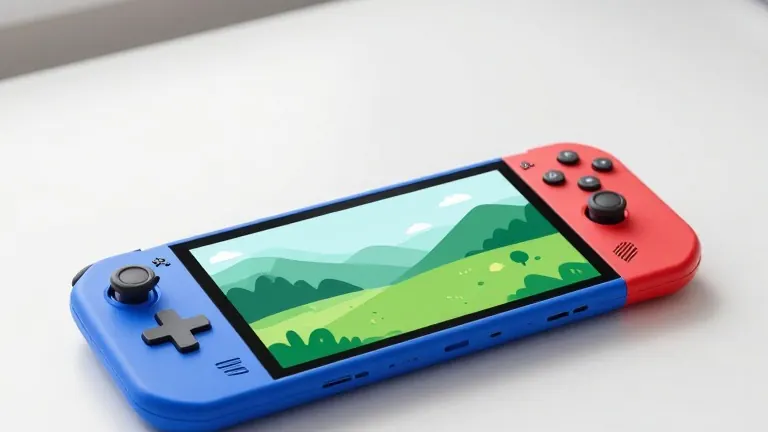
Nintendo released The Legend of Zelda: Ocarina of Time remake on the Switch 2 on Thursday. The launch marks the 28th anniversary of the original 1998 title and serves as a major entry point into the company's current hardware cycle. The game retains the core story of Link saving a corrupted world, a narrative that the developer considers relevant to modern audiences despite the two decades that have passed.
The remake alters the mechanical structure of the original to align with contemporary gaming standards. Nintendo replaced the fixed camera angles with an over-shoulder view, though the top-down perspective was removed for specific stealth sequences in Hyrule Castle. New jump and sprint buttons allow for more natural movement, and combat flows more smoothly than in the 1998 version. However, switching between targeted enemies remains less intuitive than in modern third-person titles like Elden Ring.
Item management has been overhauled to reduce loading screens. The game adopts a quick-swap menu system first introduced in Tears of the Kingdom in 2023 and continued in Echoes of Wisdom in 2024. This update allows players to change strategies during combat without pausing the game. While the system is faster than accessing a full inventory, it is not as rapid as a customizable wheel, a feature the reviewer noted was missing.
Narrative elements have been adjusted to lower the difficulty of progression. A new quest log called Threads of Time guides players who become stuck, although the Biggoron Sword quest still requires external guides. The Water Temple, historically a source of frustration, is now more manageable. Economic balance has shifted as well; wallets hold double the previous capacity, but Great Fairy upgrades now cost up to 500 rupees, eliminating the free service model of the original.
Visual presentation combines high-resolution textures with the original cartoonish proportions. This mix generally improves the aesthetic but occasionally creates an uncanny valley effect, particularly in character designs like Nabooru, who features exaggerated red lips and golden eyeshadow. Animation quality has increased, leading to longer cutscenes in the opening hours that slow the pacing. The developer also softened character interactions, rewriting Mido from a bully into a well-intentioned boss and reducing the frequency of Navi's interruptions.
The remake positions itself between previous high-profile reboots in terms of fidelity. It is less faithful than the Demon's Souls remake but more so than the Final Fantasy 7 Remake trilogy or the Resident Evil 4 remake. The project aims to preserve the surreal nature of the sequel, Majora's Mask, should it receive similar treatment in the future. The release also precedes a planned Zelda movie scheduled for next year.
Nintendo's decision to update the classic ensures the game remains commercially viable for another generation. The company is leveraging the nostalgia of players who grew up with the 1998 original to drive sales on the new Switch 2 hardware. The game serves as a bridge between the legacy of the N64 era and the current technical capabilities of the platform.