KC Doctor Tests Grocery-List Blood
A University of Missouri-Kansas City researcher claims a new synthetic treatment for severe trauma could ease the national shortage of donated blood.
By Madison Darwish ·
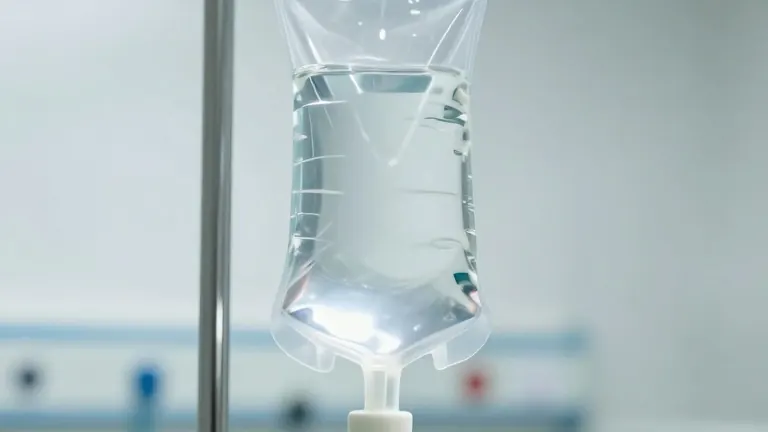
A medical researcher at the University of Missouri-Kansas City is testing a synthetic alternative to human blood for patients who lose large amounts of blood during traumatic injuries. The scientist, who serves as a doctor and research scientist at the university, has labeled the experimental treatment as "better than blood." The formulation relies on ingredients commonly found in grocery stores, aiming to provide a more readily available option than current biological transfusions.
The development addresses a critical gap in emergency medicine for victims of severe trauma. When individuals suffer major injuries such as car accidents or gunshot wounds, they face the immediate risk of hemorrhagic shock. Currently, blood transfusions are the standard medical intervention used to stop this severe blood loss and save lives. The new approach seeks to offer a stable, synthetic substitute that can be administered in high-volume emergency situations where donated blood supplies may be strained.
The initiative stems from the ongoing challenge of maintaining sufficient blood inventory for emergency care. While donated blood remains the primary lifeline for trauma patients, the logistics of collection, storage, and distribution present persistent hurdles for hospitals across the country. By utilizing common ingredients, the Kansas City team aims to create a solution that is easier to produce and store. This method could allow medical providers to treat patients immediately upon arrival, reducing reliance on the complex supply chain of human donors.
The research highlights a shift in how medical professionals might approach catastrophic bleeding. Instead of waiting for compatible type-specific blood to become available, emergency teams could potentially administer the synthetic fluid as a bridge or a primary treatment. The scientist’s work positions this development as a practical response to the realities of emergency rooms, where time is often the most critical factor in patient survival. The use of accessible ingredients suggests a focus on scalability and cost-effectiveness for widespread adoption.
Medical experts watching the progress have expressed hope that this discovery could help alleviate the pressure on existing blood banks. If the treatment proves effective in clinical trials, it may serve as a vital tool for trauma centers dealing with mass casualty events or severe individual injuries. The approach represents a tangible step toward solving a long-standing issue in emergency medicine, offering a potential path forward for hospitals that frequently face shortages during critical moments.
The team is currently in the process of evaluating the treatment's efficacy and safety profile. The goal is to demonstrate that the synthetic solution can perform the essential functions of human blood in life-threatening scenarios. As the research moves forward, the Kansas City group will continue to analyze how the new formulation interacts with the body during severe hemorrhage, seeking to validate the claim that it offers a superior alternative to standard transfusion protocols.