SpaceX Rejects Three Military Contracts While Starship Faces Fueling Hurdles
The aerospace giant declines US Space Force offers as engineers grapple with the complex logistics of lunar missions and European rivals prepare for upcoming flights.
By Ishani Kapalli ·
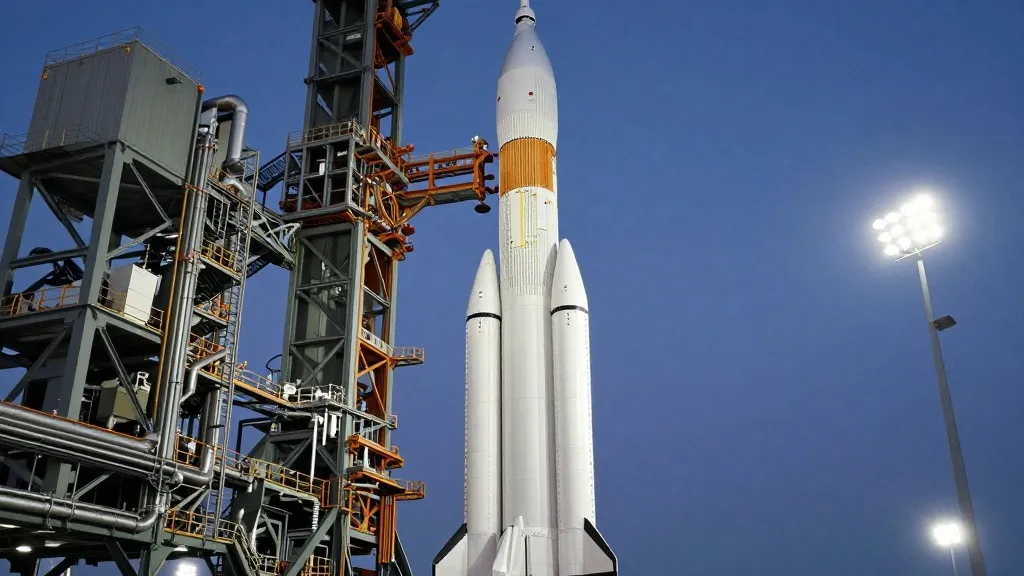
The aerospace industry faced a week of unexpected shifts as SpaceX made a surprising move by turning down three launch contracts from the US Space Force. This decision creates immediate tension in the commercial launch market, where military missions have traditionally provided a steady stream of revenue for private rocket companies. The rejection signals a potential change in how the company prioritizes its resources and customer base. It also raises questions about the strategic direction of US military space operations in the coming years. For industry observers, the move was a clear statement of intent regarding the company's future workload.
The rejection comes at a critical time for the US Space Force, which has been actively seeking to diversify its launch providers. By declining these specific offers, SpaceX is signaling that it may be focusing on other priorities, such as its massive Starship program or commercial satellite deployments. The Space Force has not publicly commented on the specific reasons for the offer being declined, but the decision underscores the complex relationship between private companies and government agencies. This development adds a layer of uncertainty for other military contractors who may be looking to fill the gap left by SpaceX's withdrawal.
While the military news dominated headlines, a separate technical challenge emerged for the company's flagship vehicle. A NASA safety panel indicated that Starship may require up to 22 refueling operations in orbit to support a lunar landing mission. This finding highlights the immense logistical complexity involved in sending humans to the moon. For non-experts, this means the rocket would need to be fueled in space multiple times before it could carry a crew to the lunar surface. The high number of refueling events introduces significant risks and engineering hurdles that the team must address before any mission can be approved.
The concept of orbital refueling is central to the future of space exploration, but it remains a relatively new and unproven technology. The requirement for 22 refueling events suggests that the current design of the Starship vehicle may not yet be efficient enough for long-distance travel. This finding comes from a review process designed to identify potential safety issues before they become critical failures. It serves as a reminder that the path to the moon is fraught with technical challenges that require careful planning and extensive testing. The safety panel's report will likely influence future design iterations of the vehicle.
On the international front, European rocket development continues to gain momentum. PLD Space, a company based in Spain, reported that its Miura 5 rocket is nearing the final stages of integration. The company plans to launch this small-lift vehicle before mid-2027, marking a significant milestone for European space access. CEO Raúl Torres noted that the manufacturing of three vehicles has allowed the team to learn continuously across different production stages. This approach has enabled them to apply lessons from qualification campaigns directly to the launch vehicle, ensuring a higher degree of readiness.
The Miura 5 program is a key part of PLD Space's strategy to establish itself in the small-lift market. One of the rocket's second stages is now fully integrated and is undergoing system-level testing at the company's Teruel test facility. This testing includes a wet dress rehearsal and a static hot-fire test, which are critical steps to verify the rocket's performance under realistic conditions. The successful completion of these tests will provide valuable data for the inaugural launch. The company's progress demonstrates that European firms are making steady strides in developing competitive launch capabilities.
In Canada, Reaction Dynamics is moving forward with its own ambitious plans. The startup is seeking to raise $350 million to expand its workforce from 68 to more than 350 employees. This funding is intended to support the development of its Aurora small-lift rocket, which the company hopes will reach orbit in 2028. Reaction Dynamics is also planning a medium-lift rocket called Borealis, with a debut targeted for 2031. The company's growth strategy reflects the broader trend of private firms expanding their capabilities to meet increasing demand for space access.
The efforts of Reaction Dynamics and PLD Space highlight the global nature of the launch industry. As new entrants come to market, established players like SpaceX face increasing competition and must navigate complex regulatory and technical landscapes. The upcoming weeks will be crucial for determining how these companies position themselves in the evolving market. For the US Space Force, the decision to accept or seek alternative providers for the rejected contracts will be a key factor in shaping the future of military space operations. The industry remains in a state of flux, with new challenges and opportunities emerging on multiple fronts.
Source: Ars Technica