Tesla deploys Optimus Academy to train robot fleet for commercial release
The automaker is using thousands of robots in a dedicated training environment to generate the data necessary for commercial deployment next year.
By Jasmine Coleman ·
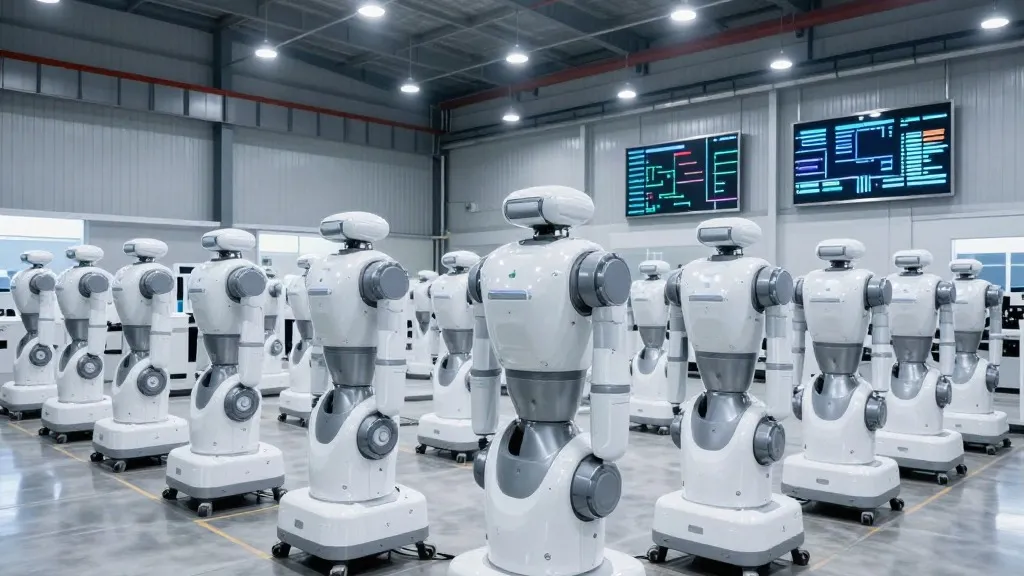
The shift from concept to mass production for humanoid robotics has entered a new phase as manufacturers seek scalable methods for data collection. Tesla has announced the launch of an Optimus Academy, a specialized facility designed to train its new robots through iterative practice rather than relying on preprogrammed scripts.
The core of this strategy addresses a fundamental challenge in robotics: the lack of a massive existing fleet to provide real-world training data. Unlike Tesla's vehicles, which benefit from millions of cars sending driving data back to engineers, the Optimus line is new. To bridge this gap, the company will utilize a cohort of 10,000 to 20,000 robots to practice diverse tasks. These units will generate the necessary information to refine the AI models that will eventually control commercial units.
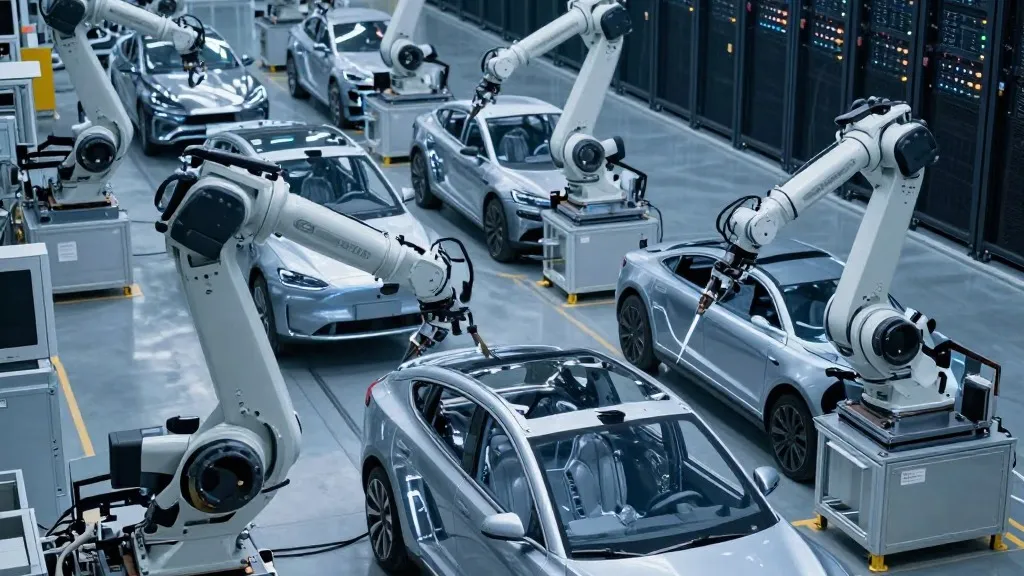
This approach is tied directly to the manufacturing progress at the Fremont factory. The company has repurposed space previously used for Model S and Model X production to house high-volume Optimus lines. Tesla cleared the old vehicle equipment in 46 days this spring, creating room for a setup capable of producing one million units annually. According to CEO Elon Musk, most of the required equipment is already in place, with output projected to climb toward 20,000 robots per week as the line ramps up.
Musk described the growth trajectory as a classic S curve, noting that the initial phase will feature a shallow slope. The engineering team is currently focused on refining the robot's electromechanical design, reliability, and service life. These improvements are targeted for completion by the end of next year, at which point Tesla plans to begin delivering Optimus units to external companies for roles involving dangerous, repetitive, or around the clock work.
Hardware upgrades are also part of the roadmap. Tesla intends to integrate its AI5 chip into Optimus next year. Additionally, the company expects to release new video footage within one or two months demonstrating the robot completing tasks driven by AI rather than fixed sequences. Musk has criticized rival humanoid demonstrations that rely on scripted routines, arguing that such methods would not sustain performance in unpredictable real-world environments.
The supply chain is preparing for this expansion. In September, Tesla certified Tuopu, Joyson, and Sanhua as mass production partners for key components. A much larger dedicated factory is also under construction at Giga Texas. Recent drone footage shows the steel frame of that facility nearing completion, with a long term target of producing 10 million robots a year.
Executives indicated that production costs for Optimus are trending toward the expected manufacturing cost of the Cybercab. This alignment suggests the robot is being engineered for volume from the outset. However, the mechanical hands remain the most difficult aspect of the design. Much of the current engineering effort is concentrated on solving these challenges, a point Musk reiterated at the X Takeover event earlier this month.
The establishment of the Academy represents a significant pivot in how autonomous systems are developed. By creating a controlled environment for high-volume data generation, Tesla aims to accelerate the maturation of its robotic AI. This method allows for rapid iteration without waiting for commercial units to fail in the field. The success of this model will determine how quickly the company can move from internal testing to widespread industry adoption.
Source: Teslarati