Tesla Sets Late 2027 for Humanoid Robot Sales, Citing Hand and AI Hurdles
The company has pushed back its external delivery target, acknowledging that critical hardware and software issues remain unresolved despite early production starting on its main manufacturing line.
By Xiaoyu Wang ·
For most people, the timeline for human-shaped robots entering the workplace has just shifted later. Tesla has officially updated its roadmap for the Optimus, indicating that the first units sold to outside customers will not arrive until the end of 2027. This change reflects a more cautious approach to a technology that has long promised to automate dangerous and repetitive jobs, but has struggled to prove its reliability in real-world settings.
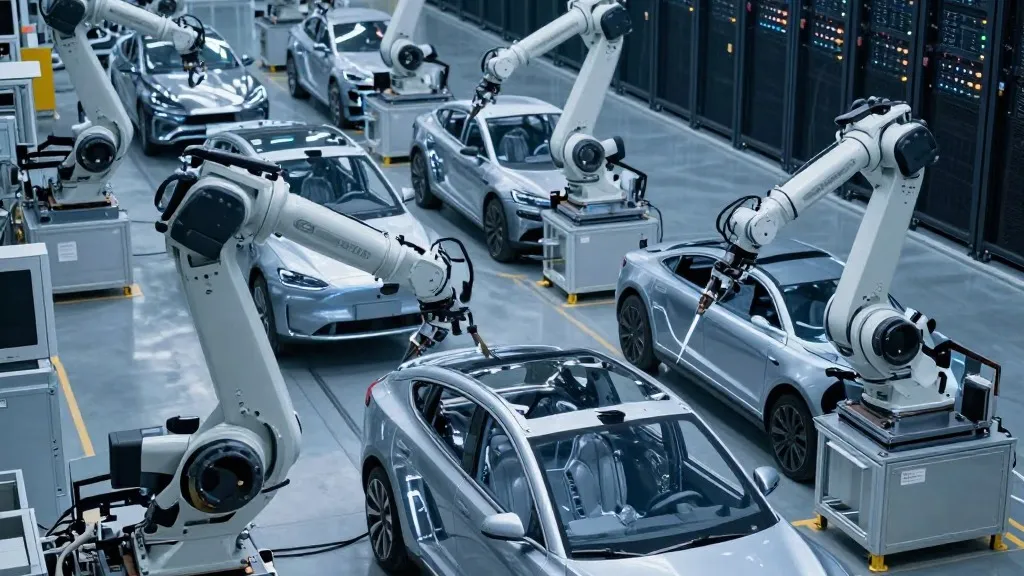
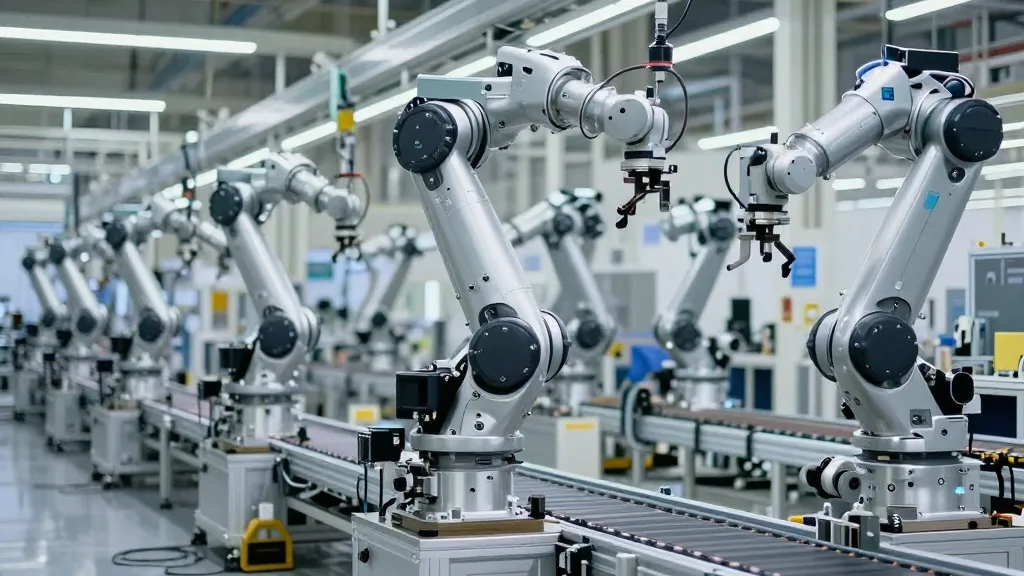
During the earnings call for the third quarter of 2026, Elon Musk clarified that the company is still working through significant technical barriers. He identified the robot’s hand, its overall durability, and its artificial intelligence as the three primary areas requiring further development. While Tesla has begun early production on its high-volume line in Fremont, the facility where Model S and Model X were previously built, the system is not yet ready for mass external deployment.
The engineering challenges are substantial. The hand of the robot is cited as the most difficult hardware component to perfect. Engineers are trying to design fingers that are soft enough to handle delicate items but tough enough to withstand constant wear and tear, a balance that is difficult to achieve since robots cannot heal like human skin. Additionally, custom gears are still raising concerns about long-term reliability, and the AI architecture requires further refinement to function effectively without constant human intervention.
To solve these AI issues, Tesla plans to create a dedicated training environment known as the Optimus Academy. Because the company lacks a fleet of robots collecting data in the wild like its vehicles do, it intends to build between 10,000 and 20,000 units to practice tasks in a controlled setting. The company also plans to integrate its AI5 chip into the robots around April 2027, aiming to enhance their processing capabilities before the end-of-year delivery target.
This timeline represents a notable shift from previous announcements. In 2024, the company suggested that high-volume production for other companies might begin in 2026. By early 2025, expectations had been set for thousands of robots to perform useful work within the year, a goal that was later acknowledged as unmet. The current target of late 2027 suggests that the complexity of general-purpose robotics is proving harder to solve than initially projected.
Competitors are also navigating similar obstacles, though they may be positioned differently in the market. XPeng, for instance, has activated an automated production line for its IRON robot in Guangzhou, with a plan for mass production by the end of 2026 and deliveries in the first half of 2027. Meanwhile, Boston Dynamics has begun producing its electric Atlas robot and has committed 2026 deployments to clients, including Google DeepMind, while integrating new AI models to improve its utility in industrial settings.
Musk has stated that no other company is close to Tesla’s progress in general-purpose humanoids, a claim that contrasts with the visible milestones achieved by rivals. While Tesla may have built the most units, the core challenge for all manufacturers remains the same: creating a machine that can handle unscripted tasks reliably enough to pay for itself. The coming months will be critical, as Tesla promises to release a video showing the robot performing unpre-programmed tasks to prove its progress.
Source: Electrek