Tesla's self-driving count jumps 67% but includes one-time buyers in new metric
The company reports 1.74 million active subscriptions by counting upfront purchases, a method that aligns with the CEO's performance targets but obscures monthly revenue figures.
By Isabella Morales ·
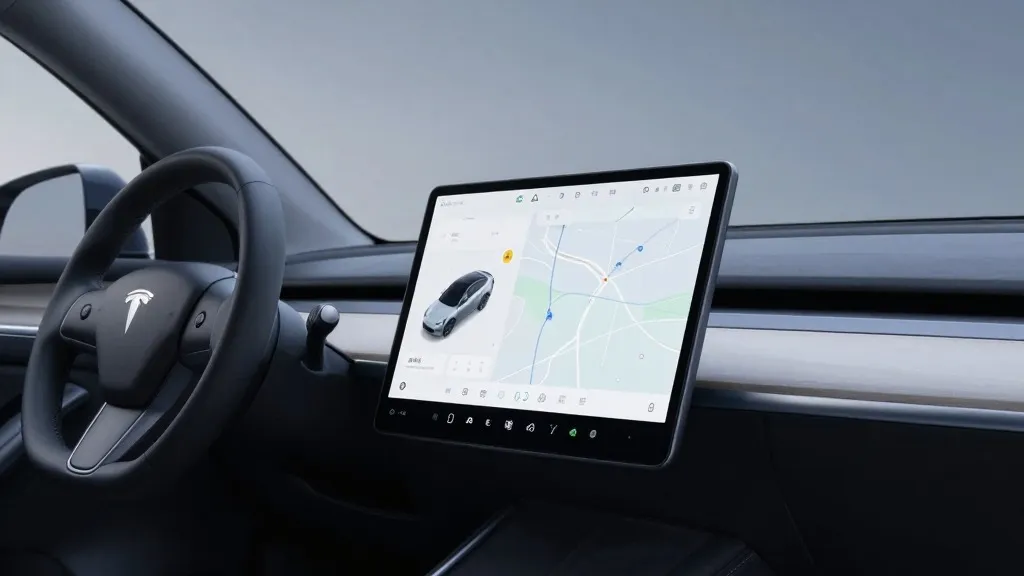
For millions of Tesla owners, the way the company measures its most popular software feature has shifted in a way that may affect their financial standing and the company's future incentives. Tesla now reports 1.74 million active Full Self-Driving subscriptions, a figure that represents a 67% increase from the previous year. This new counting method includes customers who purchased the software as a one-time fee years ago, alongside those who pay a monthly fee. This change is significant because the specific metric is tied to the performance milestones required for the CEO's 2025 compensation package.
The shift in reporting strategy is not new but has become more prominent in recent disclosures. In February 2026, Tesla stopped selling Full Self-Driving as a permanent purchase for new customers. Since that date, new buyers in the United States can only access the feature through a subscription model at a rate of $99 per month. However, the millions of existing owners who paid upfront, with prices that reached as high as $15,000, remain in the active subscription count as long as their vehicles are active. The only group excluded from this total is those on free trials.
The company first reported 1.28 million active subscriptions under this definition in April of this year. By the end of the third quarter, that number had grown to 1.74 million. This growth was driven by the addition of 260,000 net new subscriptions during the quarter, which the company identifies as its strongest performance for this metric to date. Despite the increase, Tesla has not specified how many of these 1.74 million users are actually paying the monthly fee versus those who own the software outright.
This counting method directly influences the evaluation of the CEO's pay package. The 2025 award structure includes 12 separate tranches, each requiring the achievement of a market capitalization goal and an operational milestone. One of the key operational targets is reaching 10 million active Full Self-Driving subscriptions. Another major target involves cumulative deliveries, a figure that now stands at 10.2 million. This delivery count also follows a specific definition that includes any unsupervised Robotaxis placed into commercial operation, aligning with a separate 20 million vehicle milestone in the compensation plan.
As of June 30, the company considered only one of these operational milestones probable: the 20 million delivery target. The 10 million subscription milestone remains further away. If Tesla continues to add subscriptions at the pace seen in the third quarter, it would take approximately eight years to reach the 10 million goal. If the growth rate matches the average of the last 12 months, which was about 700,000 per year, the timeline extends to roughly 12 years. The compensation award remains valid until 2035.
In addition to the total subscription count, the company highlighted a high adoption rate for new vehicles. It stated that more than 75% of new deliveries in North America included Full Self-Driving subscriptions during the third quarter. This represents a nearly 20 percentage point increase from the previous quarter. The company believes this software is driving demand in markets where it is available. However, the letter does not define exactly how this attach rate is calculated, nor does it clarify if it includes introductory offers or tracks how many of these buyers continue paying after the initial period.
The ambiguity in these metrics has drawn attention because the definitions appear tailored to satisfy the compensation criteria rather than standard industry reporting. While counting upfront buyers is not inherently incorrect, presenting them as part of a subscription total can create a specific impression of momentum. The company is aware of the exact number of monthly payers but has not disclosed that specific figure in the shareholder letter.
Looking ahead, the focus will remain on whether the high attach rate translates into long-term retention. If a significant portion of the new buyers who started subscriptions in the second or third quarters continue to pay the $99 monthly fee, it would signal a strong business model. Investors and analysts will likely wait for further clarity on retention rates and the breakdown of the 1.74 million active users. Until then, the 1.74 million figure stands as the primary software metric, a number that is central to both the company's reported growth and the CEO's potential earnings.
For ordinary consumers, this means that if they purchased the software upfront, their vehicle still counts toward the company's major growth targets. For new buyers, the subscription model is now the standard, with the high adoption rate suggesting that most new owners are opting for the monthly service. The next few quarters will be critical in determining if this high adoption rate holds steady or if it was a temporary spike due to introductory pricing or marketing efforts.
Source: Electrek