Trump's Ghost: Rallies, Endorsements, and the Distance After Midterm Losses
The president's heavy involvement in the 2026 midterms failed to prevent a historic Republican defeat, raising questions about his role in the party's recovery.
By Madison Darwish ·
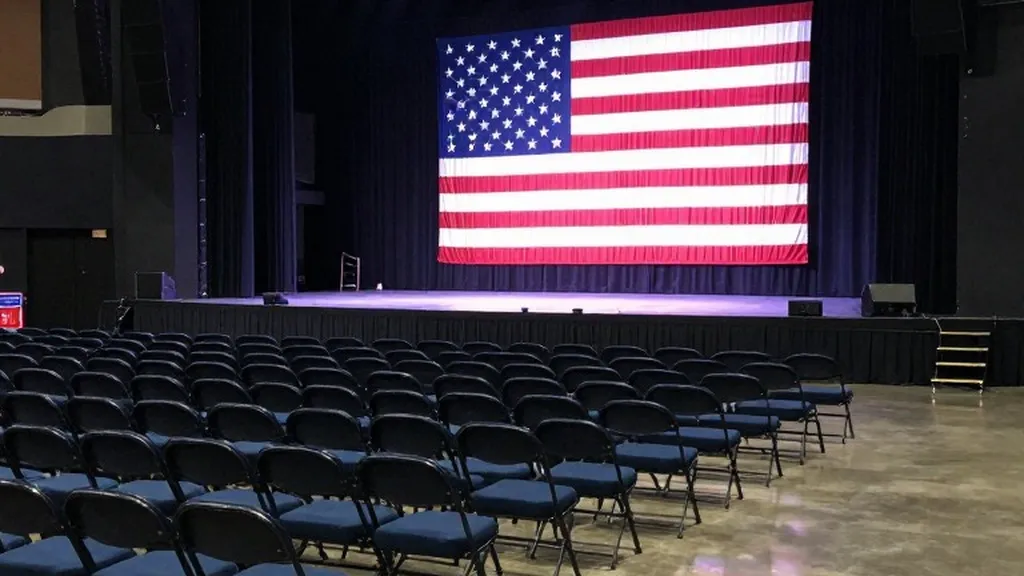
President Donald Trump spent the weeks leading up to the midterm elections traveling the country, holding dozens of rallies across key battleground states. His message was consistent: he was not on the ballot, but he wanted voters to pretend he was. This strategy, which he has used in previous election cycles, aimed to transfer his high national recognition to downballot candidates. However, the results of Tuesday's vote suggest that this approach did not secure the majority for Republicans in the House or the Senate, leading to a significant shift in the balance of power in Washington.
The president has historically maintained a complex relationship with the candidates who ran under his banner. Many sought his endorsement, viewing it as a necessary asset to win in competitive districts. Trump delivered these endorsements frequently, often hosting candidates at the White House or featuring them on his social media platforms. Yet, despite this visible support, a pattern emerged where many candidates kept a slight distance from the president, particularly in the final weeks of the campaign. This strategic distancing was a calculated move by some operatives who believed that Trump's approval numbers, while high in some polls, were a liability in others due to his polarizing presence.
The tension between the White House and the party leadership has been a recurring theme in recent years. While Trump often claimed that the elections were up to the Senate or the House, he simultaneously intervened in internal party disputes. He praised certain leaders while criticizing others, creating a dynamic where party officials had to navigate his influence carefully. For instance, he recently called Senate Minority Leader John Thune a very fine man, even as the leader faced pressure from colleagues who wanted a delay in leadership elections to allow for soul searching. This mixed messaging highlighted the difficulty for Republican lawmakers in balancing loyalty to the president with the need for internal cohesion after a loss.
The impact of the Iran conflict on the election results cannot be overlooked. Many Republican lawmakers blamed their defeat at least partly on the war and its economic impact on voters. Defense Secretary Pete Hegseth, who is now facing an impeachment push in the House, has argued that the conflict was militarily effective. However, the perception among voters that the war was unpopular and costly played a significant role in the turnout and the final tally. The president has maintained that the war is effectively over and that Iran would love to make a deal, but the timing of these statements did little to change the outcome in the states that voted for Democratic challengers.
In the aftermath of the election, the focus has shifted to the internal dynamics of the Republican Party. In the Senate, leaders are debating whether to keep John Thune as the minority leader. Some senators, including Ron Johnson, have argued that the defeat demands change and that the party needs to have a frank conversation about where it fell short. Others, like Mike Rounds, believe it is time to have leadership in place immediately. This internal debate mirrors the situation in the House, where Steve Scalise and Jim Jordan are vying for the minority leadership role. Both candidates have pitched themselves as the right choice to lead the party back to a majority in 2028, citing their experience and their ability to manage the party's messaging.
The role of the president in this recovery effort remains central. Trump has not publicly weighed in on the House leadership race between Scalise and Jordan, a notable silence given his usual involvement in such contests. This restraint may be a sign of a more measured approach as he looks to the next two years of his term. However, his influence is still felt in the policies the party is pushing, such as the tax and spending cuts that were passed last year. The president has defended these policies, even as some of his own party members criticize them for contributing to the loss. This disconnect between the White House and the party base is a challenge that the new leadership will have to address.
The false fraud claims that often accompany election results have also played a role in the post-election narrative. While no major legal challenges have been filed in this cycle, the rhetoric surrounding the results has been intense. The president has historically been a vocal defender of his party's election results, and his statements in the coming weeks will be closely watched. For now, the focus is on the practical implications of the loss, including the confirmation of nominees and the strategy for the next Congress. The Republican Party is in a period of transition, and the role of the president in guiding that transition will be a key factor in its future success.
As the new Congress prepares to convene, the atmosphere in Washington is one of caution and reflection. The Democratic Party is looking to maintain its momentum, while the Republican Party is seeking to rebuild its ranks. The two parties are already working on some bipartisan issues, such as an energy permitting bill that moved forward on a bipartisan vote. This cooperation may set a tone for the coming year, even as the underlying tensions between the parties remain. The president's role in this process will be one of influence rather than direct control, as he serves out the final two years of his term.