Zamzam Camp Survivors Seek to Preserve Memory
A UN report details the killing of 1,013 civilians in North Darfur, prompting displaced residents to document the siege before details fade.
By Emmanuel Faure ·
Hassan Saber Jumaa sat in an Omdurman home in November, scrolling through his phone to find images of the Zamzam displacement camp. He found nothing. His previous device was lost during the 2025 attack by the Rapid Support Forces, leaving his personal memory as the sole record of the community he once administered.
Zamzam was established in 2004 as a refuge for people displaced by the Darfur conflict. It operated alongside the Abu Shouk and al-Salam camps for two decades. Daily markets and schools functioned until the current war erupted in 2023. Famine conditions were confirmed in the camp by August 2024, according to survivors who noted that strict movement restrictions depleted food supplies to the point where residents ate animal feed and peanut shells.
The Rapid Support Forces captured Zamzam in April 2025 after a series of attacks. Umm Kulthum Ali Saleh, a survivor, described the months before the final offensive as the hardest period of her life. She recalled boiling grass and mixing mud with flour to make bread. Saleh believes the blockade was a strategy to weaken the population before the military push.
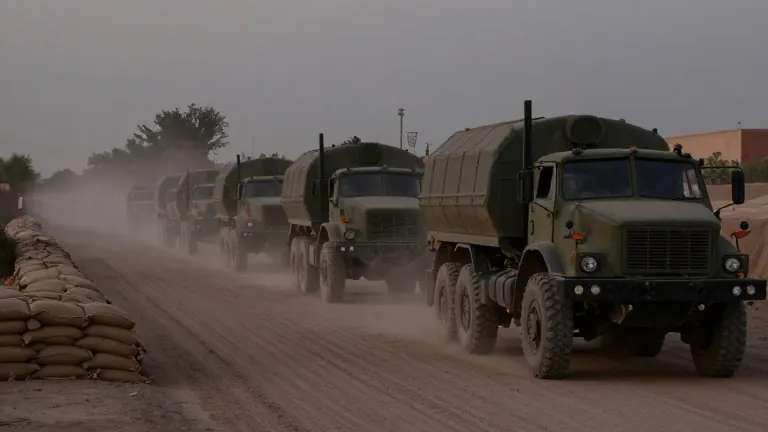
On April 11, 2025, the Rapid Support Forces launched a three-day assault using vehicles, camels, and horses. Straw homes and health facilities were burned. The United Nations Human Rights Office documented the deaths of at least 1,013 civilians. Of those victims, 319 were summarily executed in homes, markets, schools, clinics, and mosques. The report also recorded sexual violence, including rape and sexual slavery, which disproportionately targeted the Zaghawa community.
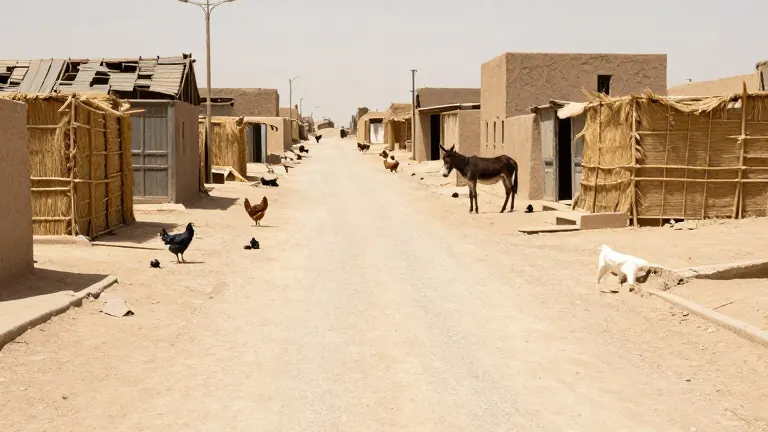
Mukhtar Musa, another survivor, witnessed mass killings where fighters chanted religious slogans while killing civilians. Bodies were scattered near the main market and schools. Saleh recalled that after the violence, only livestock wandered through the abandoned structures, while roads were littered with the dead.
Displaced residents fled to Tawila and Dar al-Salam. The conflict continued with the capture of Abu Shouk in August 2025 and the fall of el-Fasher on October 26, 2025. More than 6,000 people are believed to have been killed in el-Fasher and on escape routes. The UN stated that fighters targeted civilians in acts constituting war crimes. The Rapid Support Forces acknowledged some abuses while denying a specific targeting strategy.
Survivors are now focused on documenting the events. Musa stated that whoever survives must tell the story. Jumaa views the destruction as the start of a new displacement wave, insisting that the camp persists in the collective memory of those who lived there.
Source: Al Jazeera