U.S. Hits Iran Days Before Midterms
Limited strikes target missile sites in the Strait of Hormuz as diplomats seek a framework to end the blockade.
By Alina Marshall ·
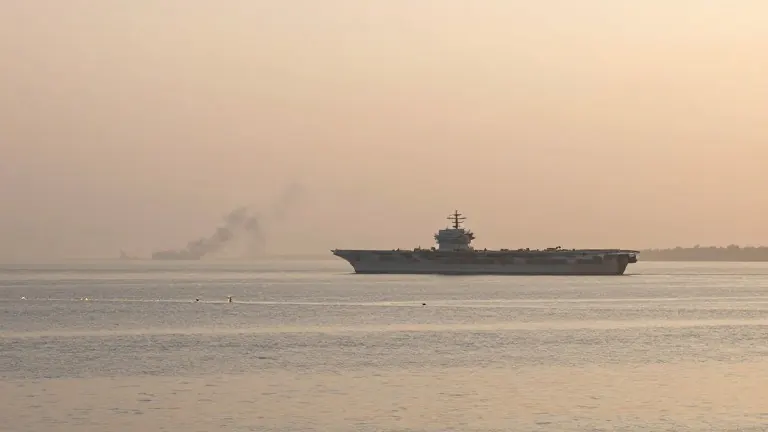
The United States launched attacks on Iranian military sites just before the midterm election, a move that contradicts President Donald Trump's earlier pledge to hold fire until after the vote. The operation targeted surface-to-air missile units in the Strait of Hormuz, a critical waterway for global oil transport. Iranian state media reported explosions on the islands of Qeshm and Hengam, as well as in the mainland port city of Bandar Abbas. Unlike previous engagements in this conflict, the U.S. did not issue a public announcement of the strikes.
A U.S. official, speaking on condition of anonymity, confirmed the strikes aimed at Iranian forces using missiles against American assets in the strait. The timing coincided with Iran's announcement of a two-day plan to reopen the waterway and resume nuclear negotiations. The strait handled approximately one-fifth of the world's oil supply during peacetime. The conflict, now in its eighth month, has driven up gasoline prices and strained the U.S. economy, creating political pressure for the Republican Party to retain control of Congress.
Vice President JD Vance expressed optimism about a diplomatic resolution on the same day. He told reporters that he and the president felt good about the prospects for a negotiated settlement. Back-channel talks have continued while Israel and regional allies lobby the White House on next steps. Two regional officials and a third person familiar with the matter said Prime Minister Benjamin Netanyahu urged Trump to authorize another wave of strikes after the elections. Netanyahu seeks a return to full-scale war to help form an emergency government after losing a parliamentary majority in last week's Israeli elections.
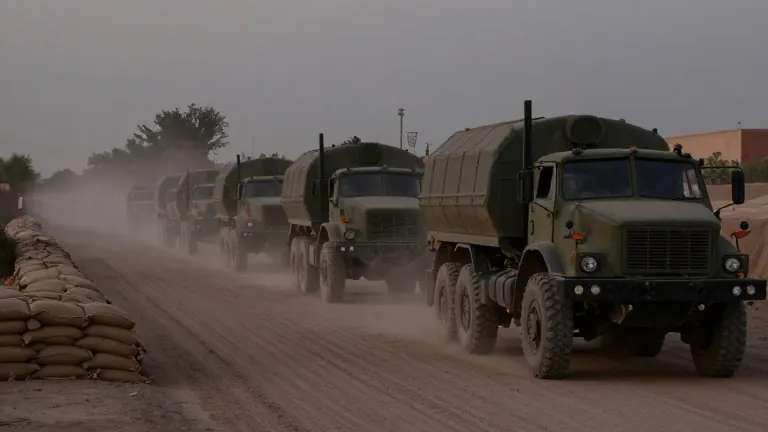
Diplomatic mediators are working on a framework that would see Iran cease attacks in the Strait of Hormuz in exchange for the U.S. lifting its naval blockade of Iranian ports. Thousands of U.S. troops remain stationed off the Iranian coast to enforce the blockade. An additional aircraft carrier and thousands of more troops are en route to the Middle East. The new strikes are expected to increase regional tension regarding the potential for renewed full-scale operations.
In Tehran, citizens expressed mixed feelings about the U.S. election results. Reza Rezaei, 69, said he hoped for a shift in leadership that would end extreme policies and support for Israel. He described the current administration as running on lies. Raheleh Movahhed, also in Tehran, was less optimistic, stating that U.S. policies toward Iran remained problematic regardless of who held power. She distinguished between the American people and their government's actions.
Iranian parliament speaker Mohammad Bagher Qalibaf stated on Tuesday that Iran had delivered a firm response to the U.S. He said the ball was now in America's court to prevent war. Qalibaf warned that Iranian armed forces remained at high defensive readiness. He threatened that if Washington made another strategic miscalculation, it would face a new battlefield and greater desperation. The statement was broadcast on Iranian state television.
Iran opened a third military training center in Tehran on Monday. Authorities announced plans to train one million paramilitary volunteers nationwide amid fears of renewed conflict. Members of the Basij, a force affiliated with the Revolutionary Guard, attended the inauguration. Ali Kowsari, the Basij deputy head for training, said that 1,500 training bases would begin operating in all cities and towns starting that week. Two similar centers had previously opened in Tehran during August and September.
Source: KOB