Missouri doctor claims 'better than blood' treatment for severe hemorrhage
A research scientist at the University of Missouri-Kansas City is testing a grocery-list-based alternative to transfusions for trauma patients.
By Alina Marshall ·
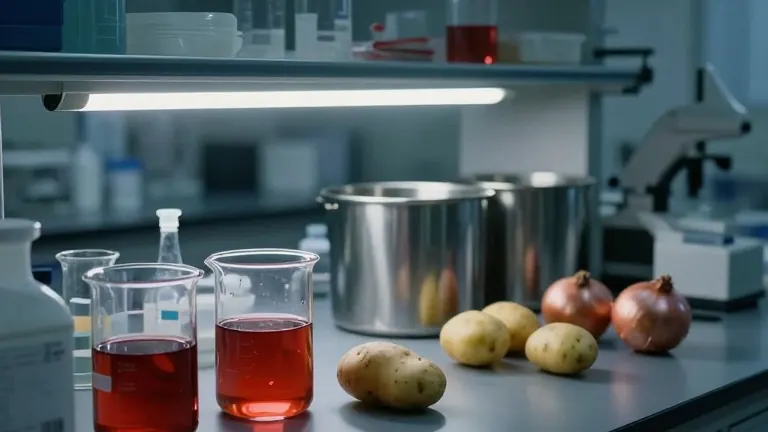
Blood transfusions remain the standard medical response for patients who lose a critical amount of blood due to trauma. A new approach from Kansas City aims to replace that standard with a formulation derived from common food ingredients.
The treatment was developed by a doctor and research scientist at the University of Missouri-Kansas City. He describes the experimental therapy as 'better than blood.' The goal is to provide a viable option for individuals suffering from hemorrhagic shock, a condition that occurs when severe injury causes rapid blood loss.
Currently, medical teams rely on transfusions to manage patients who have experienced events like car crashes or gunshot wounds. Those injuries pose a direct risk of death from bleeding out. The new method offers a potential alternative to the current best treatment for these specific cases.
The scientific community views the discovery with optimism, hoping it could help alleviate persistent shortages of available blood supplies. The treatment is still in the testing phase, and its widespread adoption has not yet been determined.
In a separate segment of the broadcast, viewers saw how volunteers transform donated clothing into packages for young students. These efforts aim to boost self-esteem among children who do not have access to proper attire. The nonprofit involved is based in Virginia.
Sarah Tyndall founded the organization, known as Boxes of Basics, in 2018. Since its inception, a thousand volunteers have assembled custom care packages for more than 8,500 children across the state. Each box is personalized to meet the specific needs of the recipient.
The report also featured brothers Bobby and Lance Snyder, who work at Charlotte Douglas International Airport. The two men have accumulated a combined eight decades of service with American Airlines. They operate at the airline's second-largest hub, where they coordinate tarmac operations to ensure flights depart safely and on schedule.