Lebanon's Energy Minister Cuts Power to 100 Public Agencies in Cabinet Standoff
Minister Joe Saddi is withholding electricity from government buildings with unpaid bills while boycotting cabinet meetings to demand sector reform.
By Madison Darwish ·
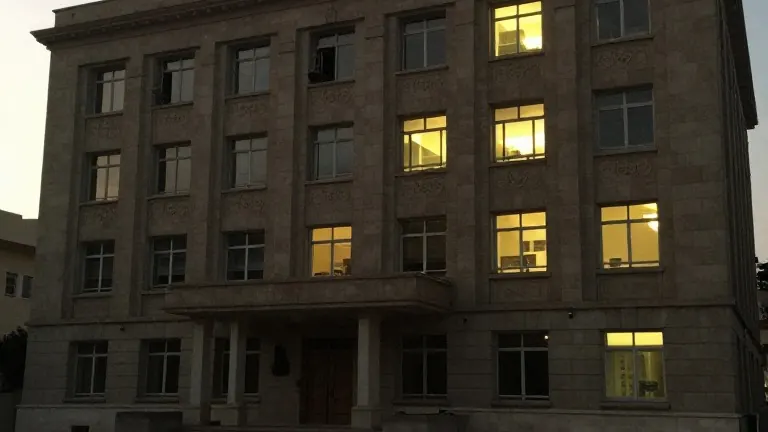
Lebanon’s Ministry of Energy and Water began cutting power to approximately 100 public institutions on Monday. The agencies targeted have outstanding bills with the state-owned electricity company. This action marks the latest escalation in the conflict between Energy Minister Joe Saddi and the rest of the cabinet. Saddi recently started skipping cabinet meetings to pressure Prime Minister Nawaf Salam’s government.
The minister argues the government is ignoring his demands to increase power supply, lower fuel costs, and settle unpaid debts. The move follows the announcement of the 2027 budget draft in October, which Saddi and his party, the Lebanese Forces, said did not prioritize the electricity sector. Three other ministers from the Lebanese Forces joined the boycott last Thursday.
Lebanon has endured severe power cuts since the 2019 economic crisis. State-provided electricity in Beirut has dropped from about 21 hours daily to just two to four hours, with some days seeing no power at all. Many residents rely on private generators, which are often tied to political parties. Fuel costs have risen sharply due to the United States and Israel's war on Iran.
The World Bank projects year-on-year inflation in Lebanon at 17.5 percent for this year. Jessica Obeid, a Lebanese energy expert, said the sector suffers from billions of dollars in corruption across the supply chain. She noted that the country lacks a clear vision for its power system and relies on expensive diesel and aging plants.
Sami Zoughaib, an economist at The Policy Initiative, described the boycott as a political maneuver to retain popular support. He warned that if the Lebanese Forces fail in the public's eyes, regaining the ministry will be difficult. The Free Patriotic Movement, a rival Christian party that previously managed the energy portfolio, has also criticized Saddi’s leadership. FPM leader Gebran Bassil, a former energy minister, has pointed to the lack of progress toward 24-hour power.
Qatar has stepped in to assist the Lebanese state. Prime Minister Sheikh Mohammed bin Abdulrahman bin Jassim Al Thani confirmed plans for an energy partnership in Beirut last month. Reports indicate Doha will build two power plants over three years and supply liquefied natural gas for 20 years. Saddi has also proposed public-private partnerships to attract investors, though experts note that political instability and a bankrupt banking system deter outside capital.
The next phase of the dispute involves continued pressure on the cabinet. Saddi maintains his boycott until the government addresses the ministry's needs. The Lebanese Forces plan to keep the electricity crisis at the center of national political debate.