Gout: A Marker for Metabolic Health
Doctors say the condition affects more men than women due to hormone differences and often signals underlying issues like diabetes or heart disease.
By Emmanuel Faure ·
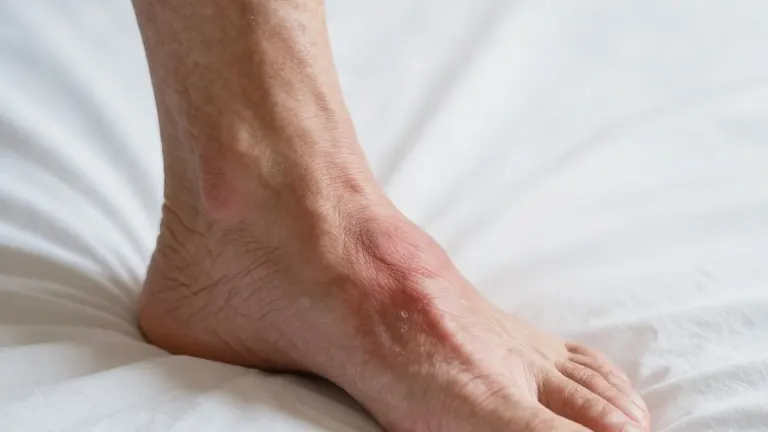
Gout is a painful form of arthritis that occurs when uric acid crystals form in the joints, according to Dr. Rhea Rogers, a board-certified physician. The Centers for Disease Control and Prevention describes the condition as typically affecting a single joint at a time. While the pain is often localized to the big toe, a condition known as podagra, the underlying cause is a systemic inflammatory response.
Gerontologist “Sam” Cradduck noted that the intensity of the pain is frequently compared to having a shard of glass in the foot. Cradduck explained that the crystal itself is not the primary source of the suffering; rather, it is the body’s immune system attacking the crystal as a foreign object that creates the acute distress.
Rogers stated that a buildup of uric acid often serves as an indicator for other health problems. She said the condition can be a strong signal for underlying metabolic disease. Many patients with gout also struggle with insulin resistance, diabetes, or cardiovascular issues. Uric acid lowers nitric oxide, a substance that helps arteries relax. Rogers noted that this is the same mechanism involved in atherosclerosis, the hardening of the arteries.
Men are diagnosed with gout more frequently than women, a disparity Rogers attributes to estradiol. She explained that estradiol is protective, and premenopausal women have higher levels of this hormone. Men produce some estradiol by converting testosterone, but as they age, testosterone levels tend to drop while visceral fat increases. For women, the risk profile changes after menopause when estradiol levels decline, closing the gap between the sexes.
Aging well coach Katherine Ambrose referred to gout as the disease of kings, a historical reference to its association with rich foods and alcohol. Aging expert Amy O’Rourke emphasized that diet and lifestyle are central to management. She observed that men often delay seeking treatment compared to women. O’Rourke advised partners and family members to encourage men to see a doctor promptly.
Treatment options include the medication allopurinol, which lowers uric acid levels. Rogers mentioned that natural compounds such as vitamin C, quercetin, and luteolin can also help lower uric acid, and some products combine all three. She warned that sugary foods and drinks raise fructose levels, which can push insulin up and cause the body to retain uric acid. Patients should consult their health care providers for personalized medical advice.
The Alliance for Gout Awareness provides additional information on the condition. This program is intended for educational purposes and does not replace professional medical advice, diagnosis, or treatment.