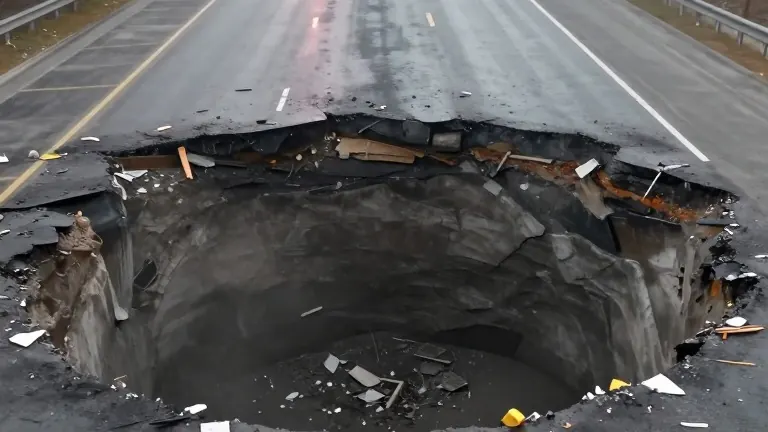
San Juan County Flood Waters Begin Receding After Second Major Surge
Officials report river levels dropping, but evacuations remain in effect as residents wait for the water to fully recede from their properties.
By Emmanuel Faure ·
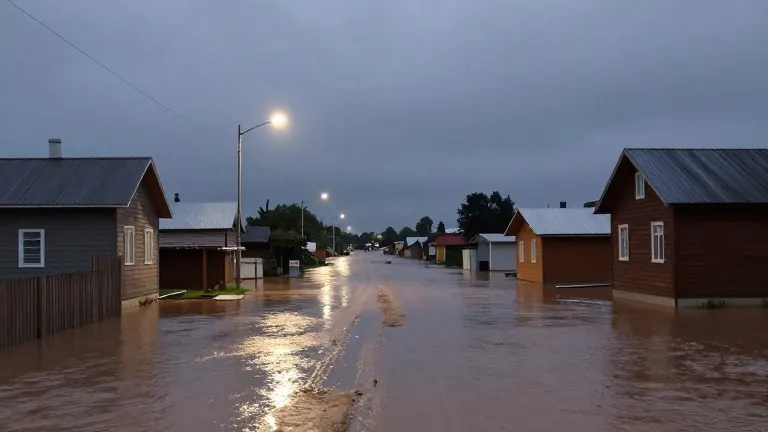
San Juan County officials confirmed on Tuesday that the peak of the floodwaters has passed, marking the end of the most intense phase of the crisis that has struck the Four Corners region for the second time in two weeks.
The timeline of the disaster began with a historic surge last week that damaged at least 1,500 homes across San Juan County. Between 2,000 and 3,000 residents were displaced during that initial event. Many of these individuals had not yet returned to their properties when a new wave of flooding forced evacuations again on Monday. This second surge followed calculations by former NOAA chief scientist Ryan Maue, who reported that more than 20 trillion gallons of rain had fallen on the Four Corners states and Nevada over the previous fortnight.
The new evacuation orders applied to residents living within half a mile of the San Juan and Animas rivers in San Juan County, as well as areas across state lines in Arizona and Colorado. Communities from Durango, Colorado, to Bloomfield, New Mexico, were hit by rising waters. Devin Neeley, a spokesperson for San Juan County, described the situation as devastating for those affected. "There are a lot of people who are hurting," Neeley said. "They have lost everything they have, almost almost everything they have, or a combination thereof. There are people who will spend a lot of time in sheltering operations."
Cedar Hill, a community along the Animas River northeast of Aztec, was among the hardest hit areas. Neeley recalled that rescuers were walking people out of water that reached their hips. Other heavily impacted locations included Bloomfield, areas east of Farmington near the San Juan River, and the Wild Horse Valley neighborhood. The village of Chama in Rio Arriba County also experienced flooding on the Rio Chama Sunday night, prompting officials to order evacuations for residents in the southern portion of the village.
As of Tuesday morning, the San Juan County Office of Emergency Management observed moderate decreases in river levels in northwestern New Mexico. However, the water had not receded sufficiently to lift evacuation orders. The office stated in a social media post that while the crest had passed on all rivers, it would take 24 to 48 hours for the floodwaters to fully recede. Residents were instructed not to reenter evacuated areas due to hazards in the water and with utilities. Neeley estimated it would be at least another day before people could safely return to their properties.
Emergency response teams noted a stabilization in operations on Monday night. While the exact number of evacuated or displaced individuals remained unclear, Neeley indicated that the county had not recorded any deaths from the flooding. The rescue operation involved significant effort, with between 200 and 300 water rescues conducted last week and approximately 50 more this week.
Governor Michelle Lujan Grisham requested a major disaster declaration from President Donald Trump on Monday for the flooding that occurred in Northern New Mexico from October 22 to October 30. If approved, this declaration would allow residents of San Juan, Cibola, Socorro, and Santa Fe counties, as well as the Acoma and Laguna pueblos, to apply for federal financial assistance. This aid would cover home repairs, rent, temporary housing, and other disaster-related needs, while also reimbursing costs for rescues, debris removal, and public infrastructure repairs.
Source: The Santa Fe New Mexican