River Forecast to Reach 21.9 Feet in Pagosa Springs
Mandatory evacuations swept across the Southwest as heavy rains triggered flash flooding in Arizona and Colorado, forcing thousands to leave low-lying areas.
By Alina Marshall ·
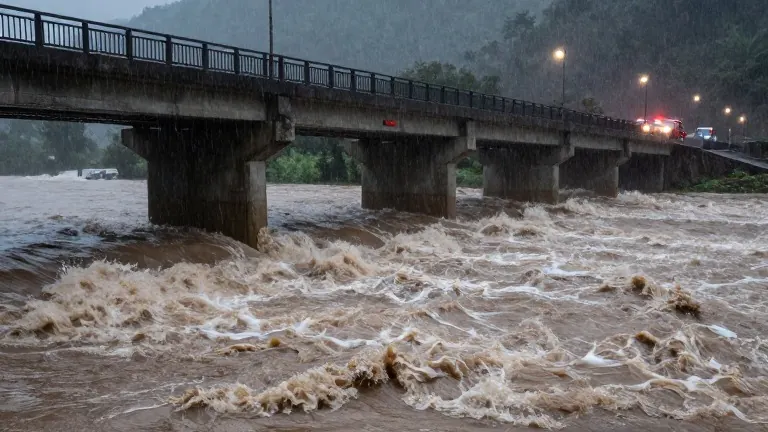
Officials in Pagosa Springs, Colorado, issued mandatory evacuation orders on Saturday night as the San Juan River was forecast to crest at 21.9 feet late Sunday. This projected level exceeds the 17.8-foot peak recorded during the devastating 1911 flood that destroyed much of the town. The Archuleta County Sheriff's Office warned residents of a potentially catastrophic event as water levels continued to rise.
By sundown on Sunday, the river had already reached approximately 14 feet. Vicki Shaffer, the county's public information officer, confirmed that the previous evacuation order from the prior week's flooding was lifted only to be reimposed on Saturday night. The highway entering the town was closed to inbound traffic, leaving only evacuees and essential vehicles with access. Residents were advised to avoid the river entirely after sewage was discharged into the waterway.
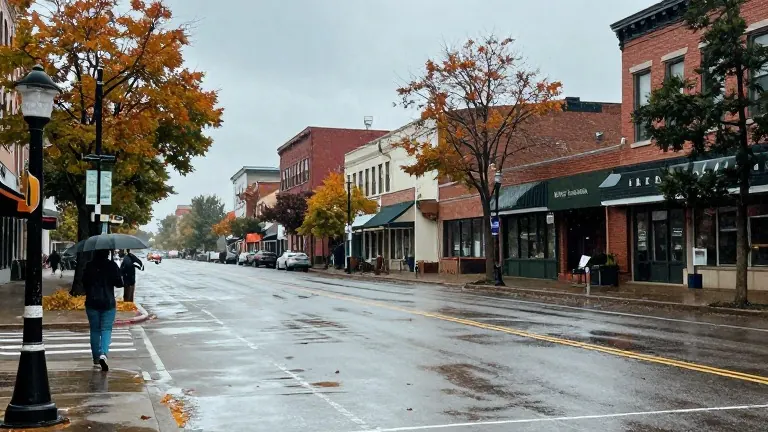
Katie German, owner of Bruin Coffee in downtown Pagosa Springs, reported street flooding and the evacuation of the commercial district. She expressed concern over the single bridge leading into the town, noting that trucks carrying food and fuel could be blocked if the structure washed out. German described the town as a tight-knit community where everyone relies on one another during crises.
Similar evacuation orders were issued across the Four Corners region. The San Juan County Office of Emergency Management in New Mexico urged anyone within half a mile of the Animas, La Plata, and San Juan rivers to move to higher ground. Elvira Arviso, a resident of Bloomfield, New Mexico, stated she was prepared to leave her home, which sits just under a mile from the San Juan River. She recalled recent floods reaching within 200 yards of her property.
In Arizona, meteorologist Aaron Hardin with the National Weather Service in Tucson estimated that the region received two to three months of rainfall in a span of a couple of days. This intense precipitation caused flash floods and swift boat rescues in Tucson, while communities in Sedona and Camp Verde issued mandatory evacuations near swollen creeks. Gisela, a small community in Gila County, was ordered to evacuate entirely.
Governor Katie Hobbs of Arizona deployed state air rescue crews to assist with rooftop evacuations and transportation teams to clear debris. In Flagstaff, rain flooded local roads and overwhelmed storm drains, prompting police to close several streets. Residents at Our Lady of Guadalupe Church used sandbags to protect the building, with Luke Willson noting that water entered the garage, basement, and office areas despite pumping efforts.
The weather service issued flood warnings for nearly all of Arizona, parts of southern Utah, southwestern Colorado, and western New Mexico. The system is expected to move eastward, bringing significant precipitation to other parts of the country. In New Mexico, Governor Michelle Lujan Grisham urged the federal government to authorize additional assistance, specifically requesting FEMA funding to reimburse local and tribal governments for debris cleanup and emergency protection costs.
Grisham stated that the current federal declaration includes support from the Army Corps of Engineers, Geological Survey, and Environmental Protection Agency but lacks the FEMA public assistance program funding. The governor's office noted that at least 10,000 homes in San Juan County remained underwater following the initial flooding on October 22, with records set more than a century ago being broken by recent water levels.
Source: KUNM