New Maps in Seven States May Not Predict 2026 Midterm Results
Voters in California, Texas and others face redrawn districts where historical voting patterns may not hold as the nation decides control of Congress.
By Emmanuel Faure ·
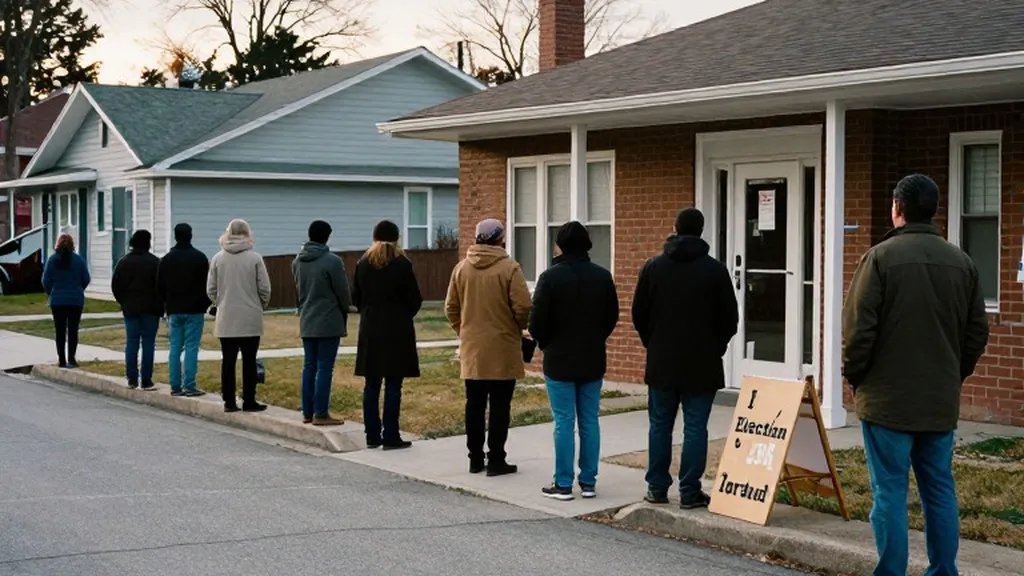
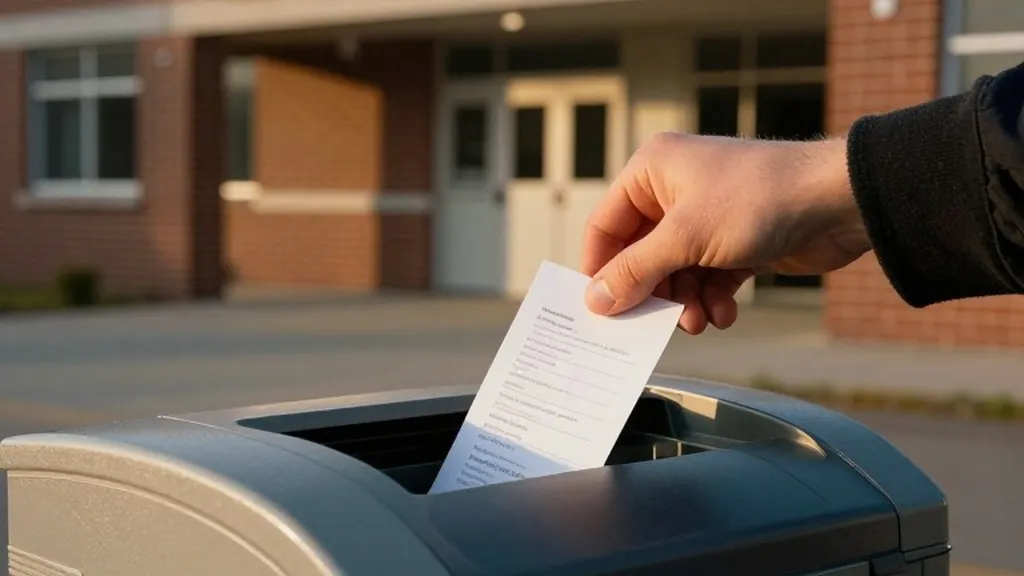
It is Election Day, Tuesday, November 3, 2026, and voters across the United States are deciding who controls Congress for the final two years of President Donald Trump's second term. All 435 seats in the U.S. House and 35 Senate seats are up for grabs. Republicans currently hold a slim majority in both chambers, but the margin is narrow enough that a shift of a few seats could change the balance of power in Washington. The Associated Press describes this election as a referendum on the president's performance, with many voters citing high prices and an unpopular war with Iran as key factors in their decisions.
Seven states are using new congressional maps for the first time in this mid-decade election cycle. These states are California, Florida, Missouri, North Carolina, Tennessee, Texas, and Ohio. The redistricting process was intended to reshape the political landscape, but analysts and political observers note that the new districts may not vote as they were drawn. Historical voting patterns in these new districts are not yet established, creating uncertainty for both parties as they campaign for specific seats. The Associated Press notes that Republicans tried to beat the traditional midterm pattern, where a president's party almost always loses seats, by using redistricting to their advantage.
In the U.S. House, Democrats need a net gain of three districts to take the majority, while Republicans can afford to lose no more than two seats. Ballotpedia counts 46 battleground districts in this race, with 25 currently held by Democrats and 21 by Republicans. The complexity of these new maps is evident in districts where the party affiliation of the incumbent may not match the lean of the new boundary. For example, 21 districts currently held by Democrats voted for Trump in 2024, while nine Republican-held districts voted for Kamala Harris. This divergence suggests that the new lines have created competitive environments where voter alignment with national trends may override local party loyalty.
The Senate race involves 33 regular elections and two special elections for the remainder of the terms held by Marco Rubio of Florida and JD Vance of Ohio. Democrats need a net gain of four seats to secure a majority in the 100-member chamber. Several Senate races are considered close, including those in Georgia, Maine, and Michigan. In Georgia, Senator Jon Ossoff faces Republican Representative Mike Collins. In Maine, Senator Susan Collins is running against Democratic former state Senate President Troy Jackson. The Associated Press highlights that economic strain and tariffs have made Maine a competitive state for this year's vote.
Governors are also deciding the fate of 36 governorships in this election. Republicans currently hold 26 governor's offices, while Democrats hold 24. Democrats would need a net gain of two governorships to achieve a nationwide majority, which they have not held since 2010. Key governor races include Georgia, where Republican health care executive Rick Jackson faces Democratic former Atlanta Mayor Keisha Lance Bottoms. In Ohio, Republican Vivek Ramaswamy is running against Democrat Amy Acton. The Associated Press identifies Texas, Florida, and Iowa as competitive governor races where the outcome could shift the national balance of executive power.
Voter turnout is a central theme for both parties as polls open across the country. More than 57 million people had already voted as of Monday, surpassing the early vote total from four years ago in many closely watched states. RNC Chairman Joe Gruters stated that everything depends on turnout, noting that if Republicans turn out their voters, they win. Conversely, DCCC Chair Representative Suzan DelBene said the American people are angry and want change. The Associated Press reports that Republicans were bracing to lose the House while fighting to hold the Senate, while Democrats expressed cautious optimism about their chances.
President Trump has been active in campaigning, holding dozens of rallies across the country. He ended a recent rally in Salina, Kansas, by telling supporters to pretend he is on the ballot. His schedule included stops in Mississippi, South Carolina, and Texas. However, many Republican candidates have kept their distance from the president during the final days of the campaign. Trump has continued to make claims about voting fraud, including statements that noncitizens vote in large numbers. His administration has filed lawsuits in Alaska and California related to the certification of results and the handling of ballots by suspected noncitizens.
The financial aspect of the 2026 elections is also notable, with the Associated Press stating that this cycle will likely be the most expensive in history. Republican committees have outraised and outspent Democratic committees, aided by Trump-affiliated groups and Elon Musk. However, at the individual candidate level, Democrats have outraised their opponents. An analysis of AdImpact data by the Associated Press shows that 88.1% of Republican general election TV ad spending went to states and districts that Trump won in 2024. This targeted spending strategy reflects the focus on protecting Republican-held seats in areas where the president performed well.
Election administration has seen legal challenges as well. A federal judge temporarily barred the Trump administration from carrying out a plan to prevent noncitizen voting, which critics say risks disenfranchising eligible voters. Another judge ordered the administration to stop demanding that California election officials segregate ballots cast by people on lists of suspected noncitizens. The U.S. Postal Service has added hours, staff, and special lines to ensure mail ballots are counted on time. Wall Street is watching the results closely, as Reuters notes that the outcome could impact investor concerns regarding AI spending and debt ceiling negotiations.