Midterm Election Logistics: Poll Hours, ID Rules, and Mail Ballot Deadlines
With millions of voters heading to the polls on Tuesday, a practical guide outlines specific state voting windows, identification requirements, and the critical role of the U.S. Postal Service in processing mail ballots.
By Alina Marshall ·
Voters across the United States are casting ballots on Tuesday, November 3, 2026, to determine which party controls Congress for the final two years of President Donald Trump's second term. The election is a comprehensive midterm contest that includes all 435 seats in the House of Representatives, 35 Senate seats, and 36 governorships. According to Ballotpedia and USA.gov, the logistical details of how and when citizens vote vary significantly by state, requiring careful attention to local rules to ensure every ballot is counted. The Associated Press describes the day as a referendum on the current administration, with voters weighing high prices and an unpopular war with Iran against their desire for stability or change.
One of the most critical practical considerations for voters today is the specific time their local polling place closes. These hours are not uniform across the country and can differ even within a single state. For example, in Alabama, polls are open from 7 a.m. to 7 p.m., while in Alaska, voters have until 8 p.m. to cast their ballots. In the Midwest, Kansas polls close at 7 p.m. Central Time, whereas Nebraska has a split schedule with polls in the Central time zone closing at 8 p.m. and those in the Mountain time zone closing at 7 p.m. The Associated Press and Ballotpedia emphasize that these times are local, meaning a voter in a state that spans multiple time zones, such as Florida or Texas, must confirm whether they are in the Eastern or Central zone to know the exact closing time.
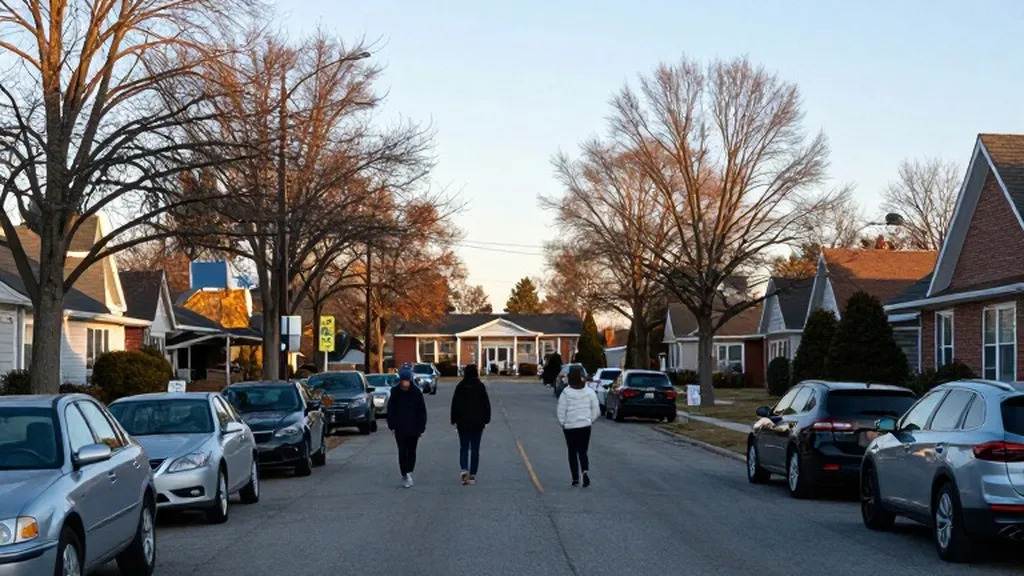
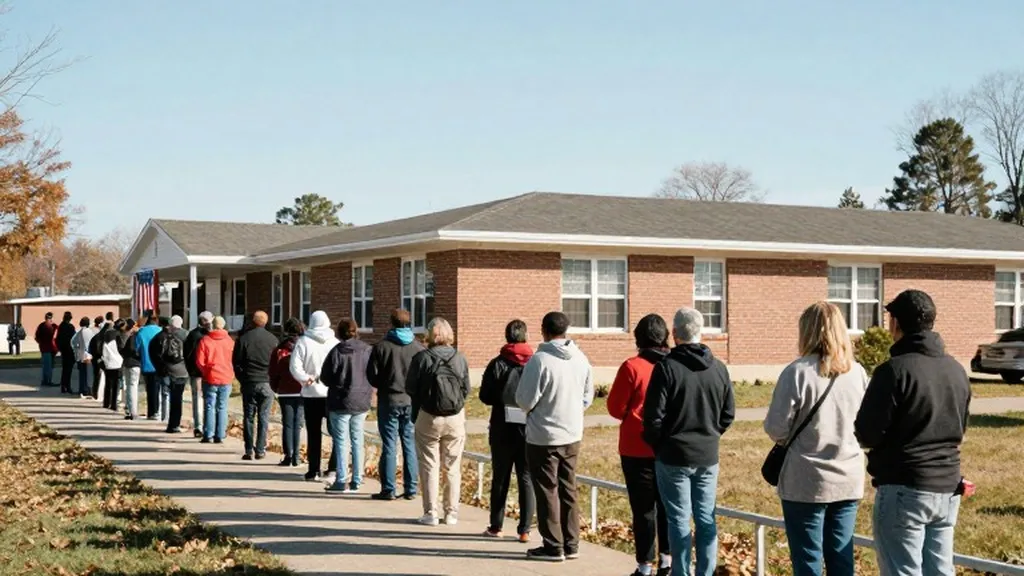
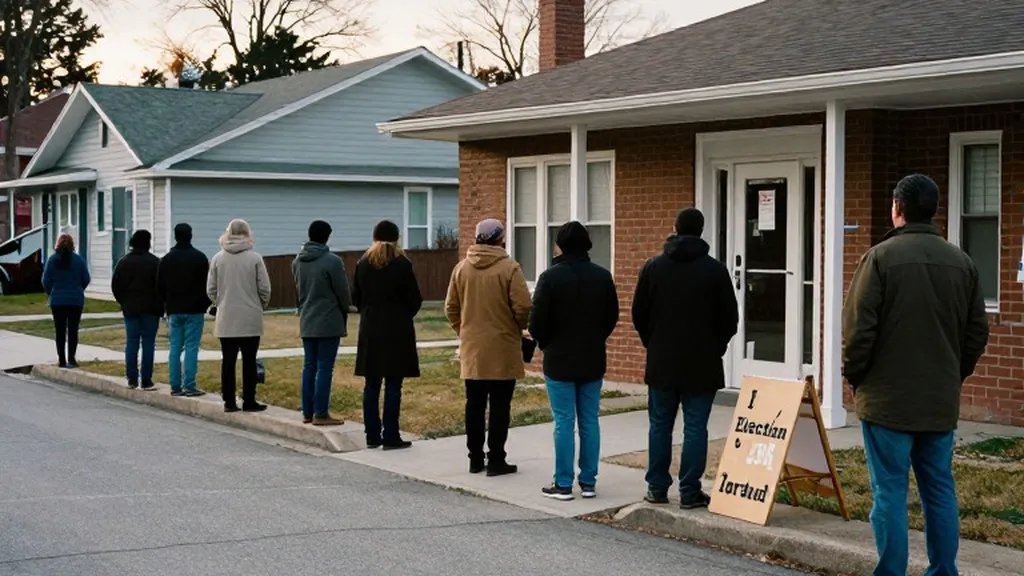
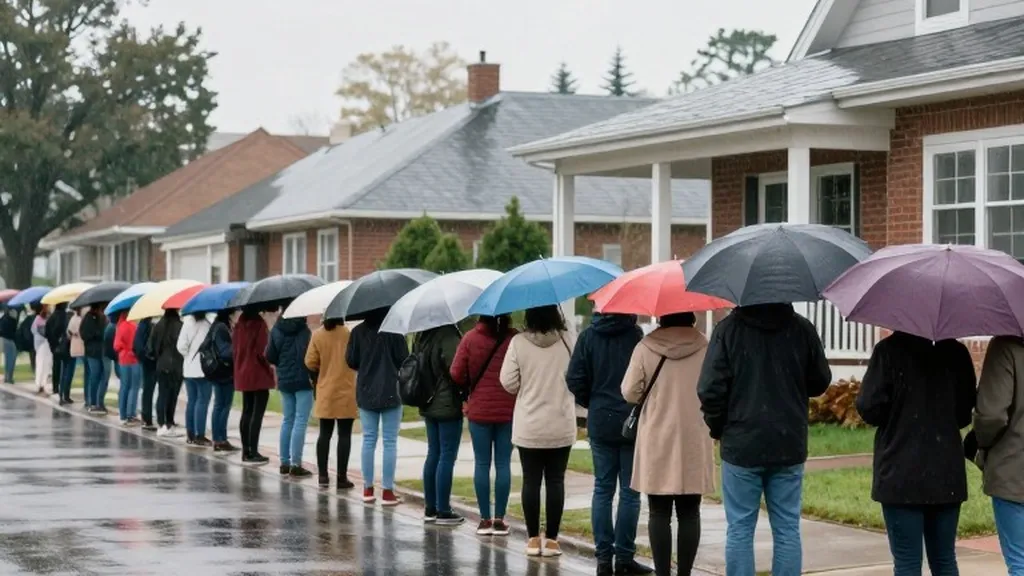
For those who arrive at their polling place late, the rule in most jurisdictions is clear: anyone in line when polls close is entitled to vote. This provision is a key part of the administrative framework that ensures access for voters who may have been delayed by traffic or work schedules. However, voters are advised to check their specific state election office or the federal resource vote.gov to find their exact polling location and confirm local procedures. In states like New Hampshire, polling hours vary by town, with most locations opening by 11 a.m. and closing no earlier than 7 p.m. Similarly, in Vermont, polling places open between 5 and 10 a.m. and close at 7 p.m., though the state relies heavily on mail ballots.
Identification requirements are another area where voters must be prepared, as rules differ by state. While some states require a photo ID, others accept non-photo identification such as a utility bill or bank statement. USA.gov advises voters to check their state's specific rules before heading to the polls to avoid any delays or issues at the voting booth. In states with stricter ID laws, being unprepared can lead to a provisional ballot, which adds a layer of complexity to the counting process. Voters should bring a valid form of identification that matches their name and address as registered, ensuring a smooth check-in process.
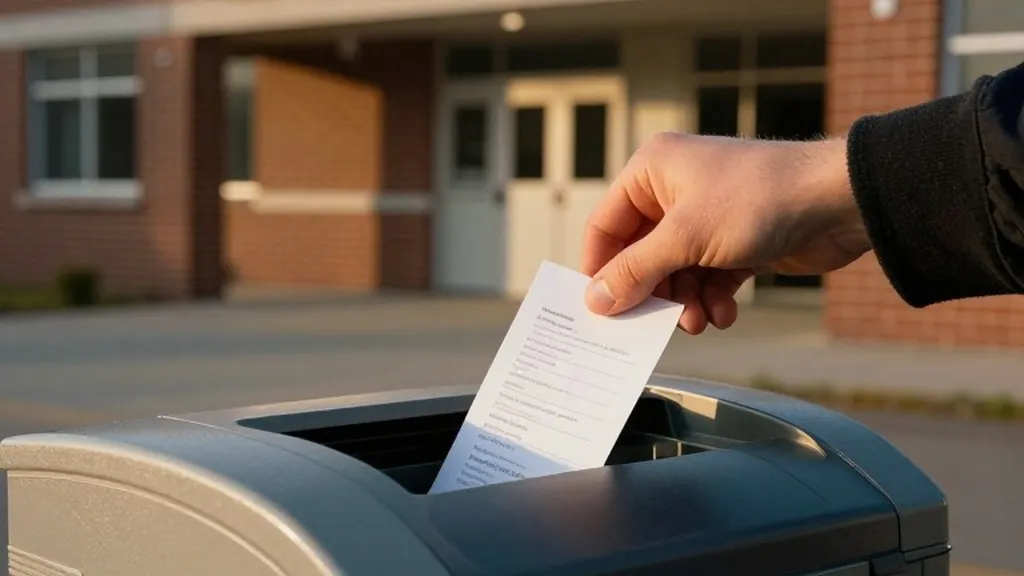
Mail-in voting remains a significant component of the election, particularly in states like California, Colorado, and Oregon, where a large majority of ballots are cast by mail. The U.S. Postal Service has taken specific steps to accommodate this volume, adding extra hours, staff, and special processing lines to ensure that mail ballots are counted on time. This logistical effort is crucial because in many states, mail ballots received after Election Day may not be counted, depending on local postmark or receipt rules. The Postal Service's enhanced operations are designed to mitigate the risk of delays that could affect the final tally in close races.
The election also features new congressional maps in six states following mid-decade redistricting: California, Florida, Missouri, North Carolina, Tennessee, and Texas. Ohio is also using a new map. These changes have altered the competitive landscape in several districts, with Ballotpedia identifying 46 battleground districts in the House race. Republicans currently hold 218 seats and Democrats 214, with Democrats needing a net gain of three districts to secure a majority. In the Senate, Democrats need a net gain of four seats to take control from the Republicans, who hold 53 seats. The administration of these races involves complex coordination between state election boards and federal agencies to ensure that the new boundaries are correctly applied to voter rolls.
The mood among voters is described by the Associated Press as one of caution and high stakes, with more than 57 million people having already voted in early voting periods. This early turnout has surpassed levels from four years ago in many closely watched states. Republican committees have reported that they outraised and outspent Democratic committees at the party level, aided by Trump-affiliated groups, while Democrats outraised their opponents at the candidate level. This financial dynamic has led to intense advertising campaigns, with 88.1% of Republican general election TV ad spending focused on states and districts that Trump won in 2024. Voters are thus arriving at the polls having absorbed a significant volume of messaging from both parties.
In the Senate, 13 races are considered battlegrounds, including contests in Alaska, Florida, Georgia, Iowa, Kansas, Maine, Michigan, Montana, Nebraska, New Hampshire, North Carolina, Ohio, and Texas. These races are pivotal because the winner in each could tip the balance of power in the chamber. For instance, in Maine, a state that voted for Kamala Harris in 2024, the race between Senator Susan Collins and Democrat Troy Jackson is considered a toss-up by major rating groups. In Kansas, a traditionally Republican state, the race has become central to the fight for Senate control, with both parties investing heavily in the region. The complexity of these races requires voters to be aware of the specific candidates on their ballots, as some states have open seats where no incumbent is running.