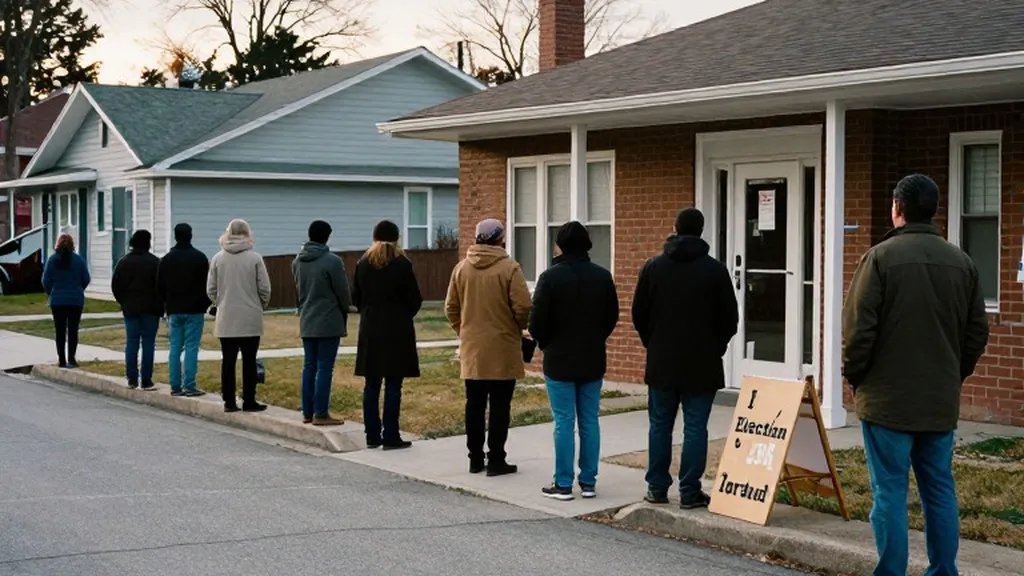
Voters Weigh High Stakes in Ten Key Senate Races
From Alaska to Texas, ten contests will determine the balance of power in the U.S. Senate as polls open for the 2026 midterm elections.
By Madison Darwish ·
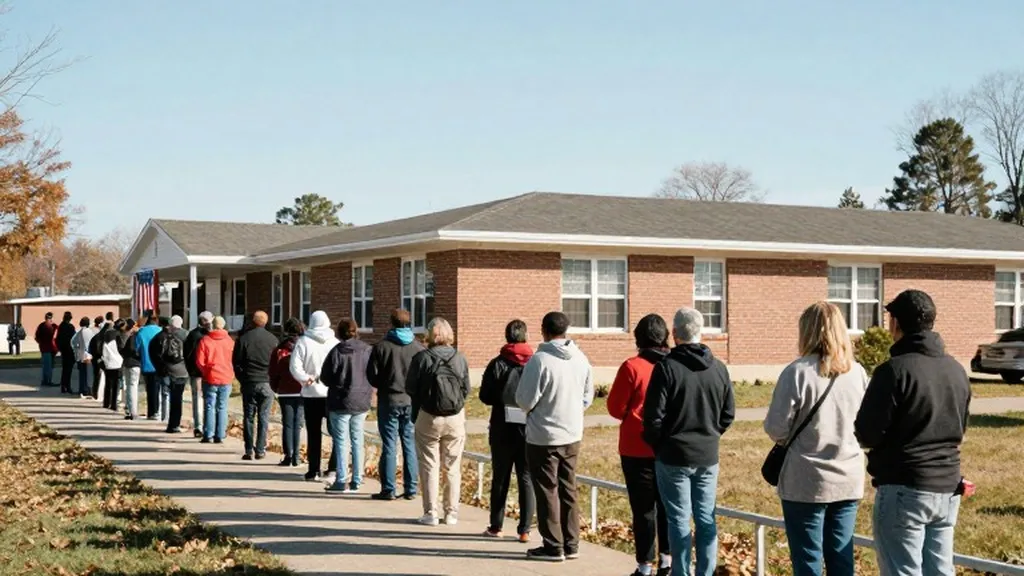
The United States is deciding the composition of the U.S. Senate on Tuesday, November 3, 2026. With 35 seats up for grabs, the outcome will determine which party controls the chamber for the final two years of President Donald Trump's second term. Democrats currently hold 45 seats, while Republicans hold 53, including two independents who caucus with the Democrats. To secure a majority, Democrats need a net gain of four seats, a threshold that makes every contested race critical. Republicans can afford to lose only two seats to maintain their current advantage in the chamber.
In North Carolina, the race is open after former Senator Thom Tillis retired following a clash with the President. Democratic former Governor Roy Cooper faces former Republican National Committee chair Michael Whatley. The state voted for Trump by a margin of 3.3 points in 2024, making it a pivotal swing state. In Georgia, incumbent Democrat Jon Ossoff defends his seat against Republican Representative Mike Collins. Although the state voted for Trump by 2.2 points, the race is rated as leaning or likely Democratic by several major rating groups.
Ohio presents a unique scenario with a special election to fill the remainder of the term vacated by Vice President JD Vance. Republican Senator Jon Husted faces Democratic former Senator Sherrod Brown. The state is a strong Republican hold, with Trump winning by 11.2 points in 2024. In Michigan, the seat is open due to the retirement of Gary Peters. Republican former Representative Mike Rogers competes against Democrat Abdul El-Sayed. Notably, El-Sayed's former primary opponent, Haley Stevens, endorsed Rogers on Sunday, adding a layer of complexity to the Democratic primary aftermath.
Texas features a high-profile matchup between Republican Attorney General Ken Paxton and Democrat James Talarico. President Trump backed Paxton over incumbent Senator John Cornyn during the primary, signaling a shift in party support. The state voted for Trump by 13.6 points in 2024. In Maine, incumbent Republican Senator Susan Collins faces Democratic former state Senate President Troy Jackson. The Associated Press notes that economic strain and tariffs have made the state more competitive, leading all four major rating groups to label the race a toss-up.
New Hampshire is another open seat following the retirement of Democrat Jeanne Shaheen. Republican former Senator John E. Sununu faces Democrat Representative Chris Pappas. The state voted for Kamala Harris by 2.8 points in 2024, making it a defensive race for Democrats. In Minnesota, four candidates vie for the seat vacated by retiring Democratic Senator Tina Smith. Among them are Democratic Lieutenant Governor Peggy Flanagan and Republican Michele Tafoya, a former sports broadcaster. The state's political dynamics remain a key part of the broader Senate fight.
Kansas, traditionally a reliable Republican state, has become central to the fight for Senate control. Incumbent Republican Roger Marshall faces a challenge in a state that voted for Trump by 16.2 points in 2024. Rating groups describe the race as a toss-up to lean Republican. In Alaska, incumbent Republican Dan Sullivan faces a competitive environment despite a 13.1 point Trump margin in 2024. The race is rated as a toss-up to lean Democratic, and the Trump administration has filed a lawsuit related to the certification of the Senate result in the state.
Voters across these ten states are weighing the President's second term, with many citing high prices and an unpopular war with Iran as key concerns. A poll by the Associated Press and NORC found that 35 percent of U.S. adults approve of Trump's job performance, while about seven in ten believe the country is heading in the wrong direction. Most respondents blame the President for high prices. More than 57 million people had already voted as of Monday, surpassing early vote totals from four years ago in many closely watched states.
The election is also a referendum on congressional control. If Democrats win even one chamber, investigations and possible impeachment proceedings become likely. House Democratic Leader Hakeem Jeffries has outlined a 100-day agenda focused on the cost of living and oversight should his party take control. Republicans, bracing to lose the House, are fighting to hold the Senate to prevent a full Democratic sweep. The Associated Press notes that one or two seats could tip the balance in either chamber.
Campaign spending has reached historic levels, with Republican committees outspending Democrats largely due to Trump-affiliated groups and Elon Musk. However, at the candidate level, Democrats have outraised their opponents. According to an analysis of AdImpact data by the Associated Press, 88.1 percent of Republican general election TV ad spending went to states and districts Trump won in 2024. This targeted approach reflects the strategy of defending strongholds while competing in swing states.
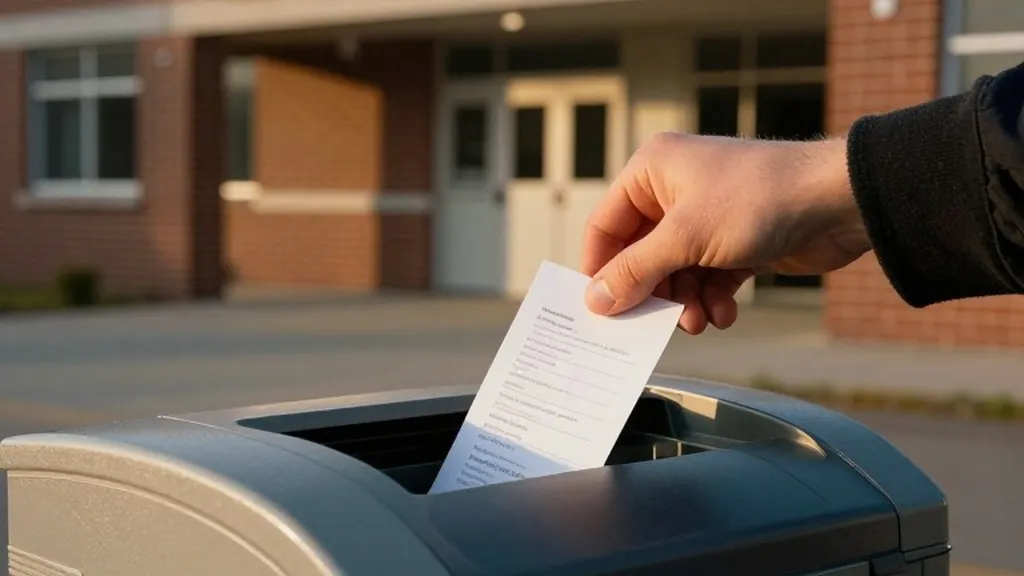
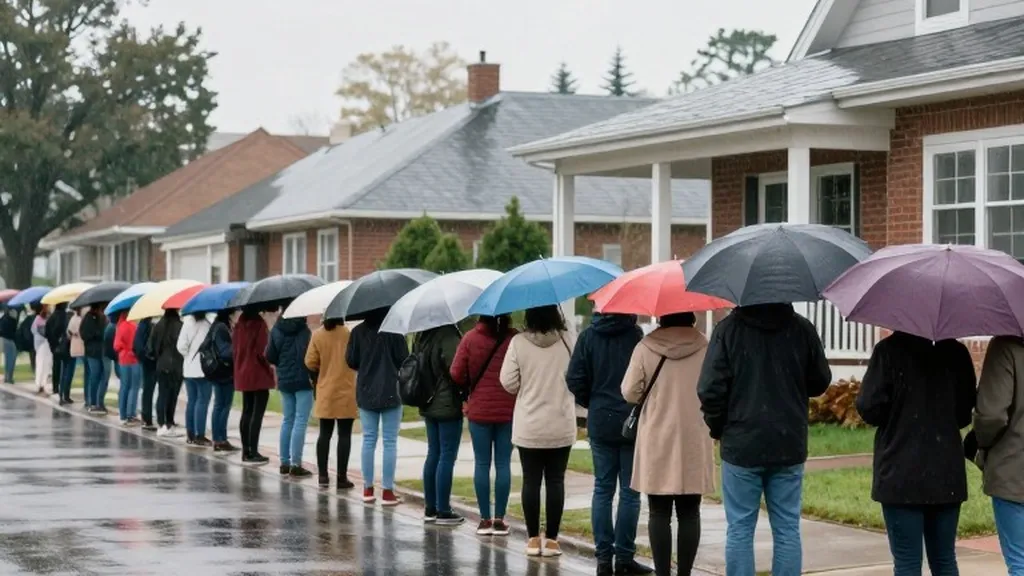
As polls open, voters in these ten states will cast ballots that determine the Senate's majority. In North Carolina, polls are open from 6:30 a.m. to 7:30 p.m. local time. In Georgia, polls are open from 7 a.m. to 7 p.m. In Ohio, polls are open from 6:30 a.m. to 7:30 p.m. In Michigan, polls are open from 7 a.m. to 8 p.m. In Texas, polls are open from 7 a.m. to 7 p.m. In Maine, polls are open from 6 a.m. to 8 p.m. In New Hampshire, polls open by 11 a.m. and close no earlier than 7 p.m. In Minnesota, polls are open from 7 a.m. to 8 p.m. In Kansas, polls are open from 7 a.m. to 7 p.m. Central time. In Alaska, polls are open from 7 a.m. to 8 p.m. local time.
The results of these races will shape the legislative landscape for the next two years. Winners will begin their six-year terms on January 3, 2027. The outcome will also influence the paths of potential 2028 presidential candidates, including Gavin Newsom, JB Pritzker, and Pete Buttigieg for Democrats, and Vice President JD Vance for Republicans. As voters head to the polls, the focus remains on the specific issues of cost of living, foreign policy, and the direction of the country under the current administration.